
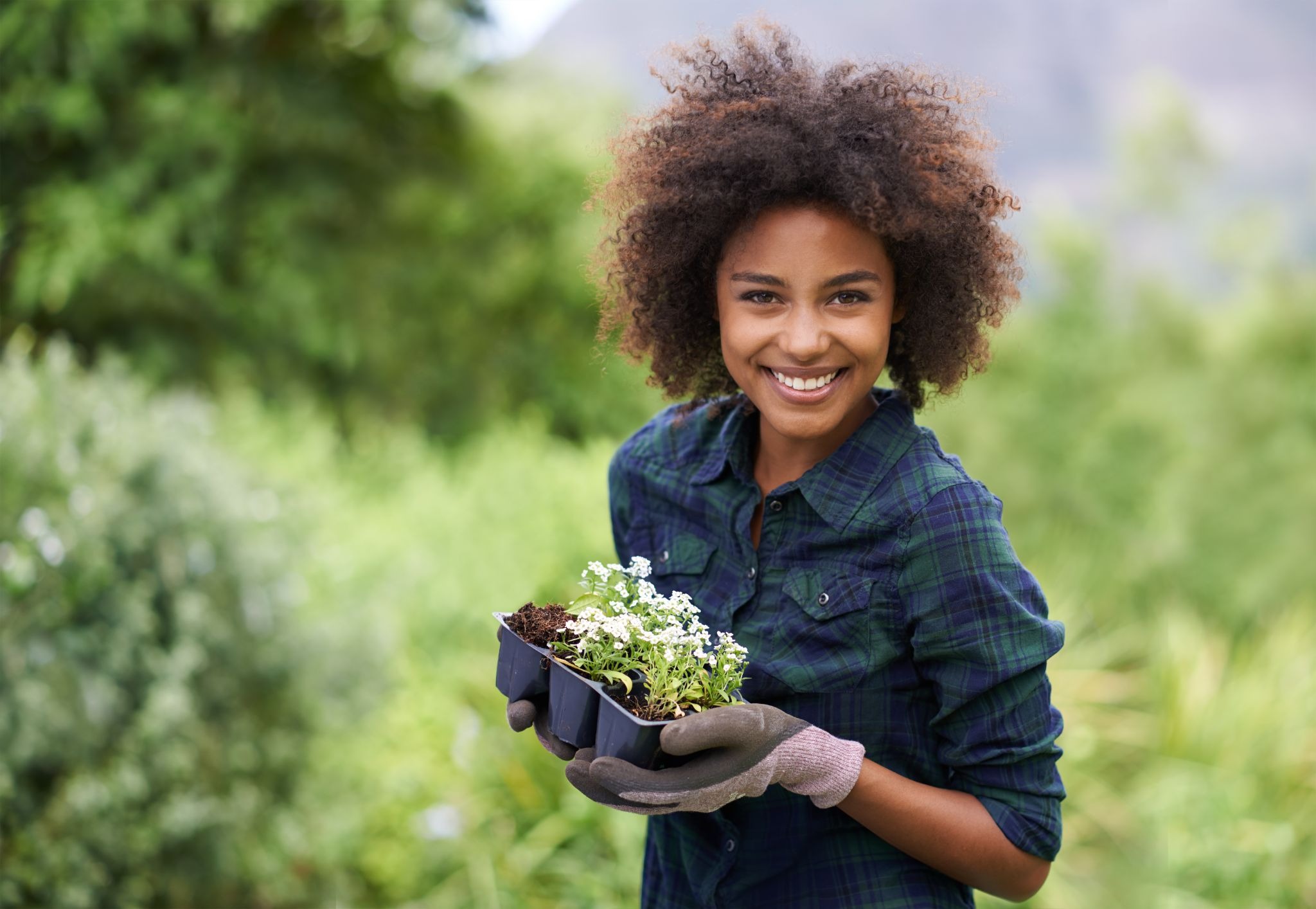
Gardening trends have shifted as homeowners seek more sustainable, low-maintenance, and environmentally friendly landscapes. Traditional ornamental gardens often demand constant watering, fertilizers, and pest control, which can strain time, budgets, and the ecosystem. Creating a native plant garden provides an alternative that works in harmony with local environmental conditions. A native plant garden focuses on species that evolved naturally in a specific region, adapting to local soil, climate, and seasonal cycles. This inherent adaptation allows them to thrive with minimal human intervention, while also offering a range of ecological and practical advantages. Understanding the native plant garden benefits can help homeowners create gardens that are resilient, low-maintenance, and ecologically supportive while enhancing the beauty of outdoor spaces. Native landscaping also reconnects people with local ecosystems and promotes biodiversity, making it a meaningful choice for modern gardening enthusiasts.
Understanding What Native Plants Are
Native plants are species that naturally evolved in a particular geographic region. These plants developed in harmony with local climate patterns, soil composition, and wildlife, forming strong ecological relationships over thousands of years. Unlike non-native plants, which may require extensive care to survive, native plants are naturally suited to their environment. Some non-native species may thrive, but others struggle or become invasive, disrupting local ecosystems. Native plants provide essential food and habitat for pollinators, birds, and beneficial insects. They interact with soil microbes in a balanced way, enhancing soil health and nutrient cycles. Choosing native plants does not mean a garden has to look wild or unkempt. With thoughtful design, native species can create beautiful, structured landscapes that blend ecological function with aesthetic appeal.
Environmental Advantages of Native Plant Gardens
The environmental benefits of native plant gardens are significant. Traditional lawns and ornamental gardens often demand large quantities of water and chemicals, which can harm soil health and local water systems. Native plants, adapted to local conditions, thrive with less input, reducing resource consumption. Deep root systems stabilize soil, prevent erosion, and help with water retention. They also filter rainfall naturally, supporting groundwater replenishment. A garden with native plants creates a balanced ecosystem that benefits both humans and wildlife.
Supporting Local Wildlife and Pollinators
Many insects and birds rely on native plants for food and shelter. Pollinators, including bees and butterflies, depend on native flowers for nectar and pollen. Birds feed on native seeds and berries, and small animals find shelter in shrubs and grasses. Planting a variety of native species throughout the year ensures continuous support for these creatures, even in urban or suburban areas. A native garden can become a small sanctuary that strengthens local biodiversity.
Improving Soil and Water Health
Native plants often develop deep roots, which improve soil structure and stability while enhancing water absorption. Healthy soil encourages microbial activity and supports plant growth naturally. Native plants also reduce runoff and erosion, contributing to the overall resilience of the surrounding ecosystem. These effects make native landscaping not only beautiful but ecologically functional, offering long-term benefits that extend beyond individual gardens.
Reduced Maintenance Compared to Traditional Gardens
One of the most practical native plant garden benefits is the reduction in maintenance. Traditional ornamental gardens require frequent watering, fertilization, and pest control, whereas native plants are self-sufficient once established. This frees gardeners from constant upkeep and reduces long-term costs.
Lower Water Requirements
Native plants are adapted to local rainfall patterns and can tolerate seasonal droughts. Their deep root systems allow them to access water stored deeper in the soil, reducing the need for irrigation. This makes native landscaping a water-conscious solution, particularly in regions facing water scarcity.
Reduced Need for Fertilizers and Chemicals
Because native plants thrive in their natural soil conditions, they rarely require chemical fertilizers. They also have natural resistance to many pests, reducing the need for pesticides. Less chemical use benefits pollinators, birds, and other beneficial organisms while promoting a safer, healthier environment.
Climate Resilience and Long-Term Sustainability
Native plants are well-suited to local weather conditions and can better handle climate variability than many imported ornamental species. They tolerate temperature fluctuations, seasonal droughts, and heavy rainfall, making gardens more resilient over time. Native plants also help moderate microclimates in gardens, providing shade, reducing soil temperature fluctuations, and maintaining moisture. These qualities make native plant gardens a long-term solution for sustainable landscaping.
Enhancing Biodiversity in Residential Landscapes
Urbanization has reduced natural habitats for wildlife, but native gardens can restore small-scale ecosystems. By planting a variety of native species, homeowners provide food and shelter for pollinators, birds, and small animals. Flowering plants support pollinators during warm months, while shrubs and grasses offer winter shelter. When multiple properties in a neighborhood adopt native landscaping, the collective effect can create ecological corridors that strengthen regional biodiversity.
Aesthetic and Seasonal Beauty of Native Plants
Native gardens are not only functional but also visually appealing. Different species bloom at different times, offering year-round color, texture, and movement. Early spring flowers attract pollinators, summer plants provide vibrant greenery, and late-season grasses and shrubs add structure and interest. Native plants can be arranged in clusters to mimic natural ecosystems while maintaining a visually cohesive design.
Designing a Visually Balanced Native Garden
A well-designed native garden often combines flowering perennials, ornamental grasses, and shrubs. Grouping plants with similar sunlight and water requirements helps ensure they thrive together while creating an organized yet natural appearance.
Creating Natural-Looking Landscapes
Native landscaping often follows patterns observed in nature. Instead of rigid rows, plants are placed in clusters or meadows to replicate natural growth. This approach creates a relaxed, organic aesthetic while supporting ecological balance and biodiversity.
Practical Steps to Start a Native Plant Garden
Starting a native plant garden begins with research. Identify which species are naturally found in your region and suited to your garden’s soil, sunlight, and moisture conditions. Begin small, perhaps with one garden bed or section, and gradually expand as you gain confidence. Remove invasive species and prepare the soil to create a suitable environment. Consider consulting local botanical gardens, native plant nurseries, or environmental organizations for guidance. Over time, native plants require less maintenance, improve garden health, and provide long-lasting ecological and aesthetic benefits.
Conclusion
Native plant gardens offer homeowners a practical, beautiful, and sustainable alternative to traditional landscaping. The native plant garden benefits include reduced maintenance, lower water use, improved soil health, and support for local wildlife and pollinators. These gardens are resilient to climate fluctuations, encourage biodiversity, and bring natural beauty throughout the seasons. By choosing native plants, gardeners create landscapes that are environmentally responsible, cost-effective, and visually engaging. Thoughtful planning and design can transform any outdoor space into a thriving ecosystem, offering both ecological and personal rewards for years to come.
FAQs
1. What are the main native plant garden benefits for homeowners?
Native plant gardens reduce maintenance, save water, support pollinators, improve soil health, and create sustainable landscapes that thrive naturally in local conditions.
2. Do native plant gardens require less maintenance than traditional gardens?
Yes. Native plants adapt to local soil and climate, which reduces watering, fertilization, and pest control needs compared to conventional ornamental plants.
3. Can native plant gardens still look decorative and well-designed?
Absolutely. Thoughtful arrangement of flowering plants, grasses, and shrubs provides seasonal color, texture, and structure while maintaining a natural, visually appealing look.
4. How do native plants help pollinators and wildlife?
Native plants provide nectar, pollen, seeds, and shelter for insects and birds, supporting biodiversity and strengthening ecological connections within the surrounding environment.
5. Is it difficult to start a native plant garden?
Not at all. Begin small, research region-appropriate plants, and prepare the soil. Gradually expand, and over time, native plants thrive with minimal intervention.