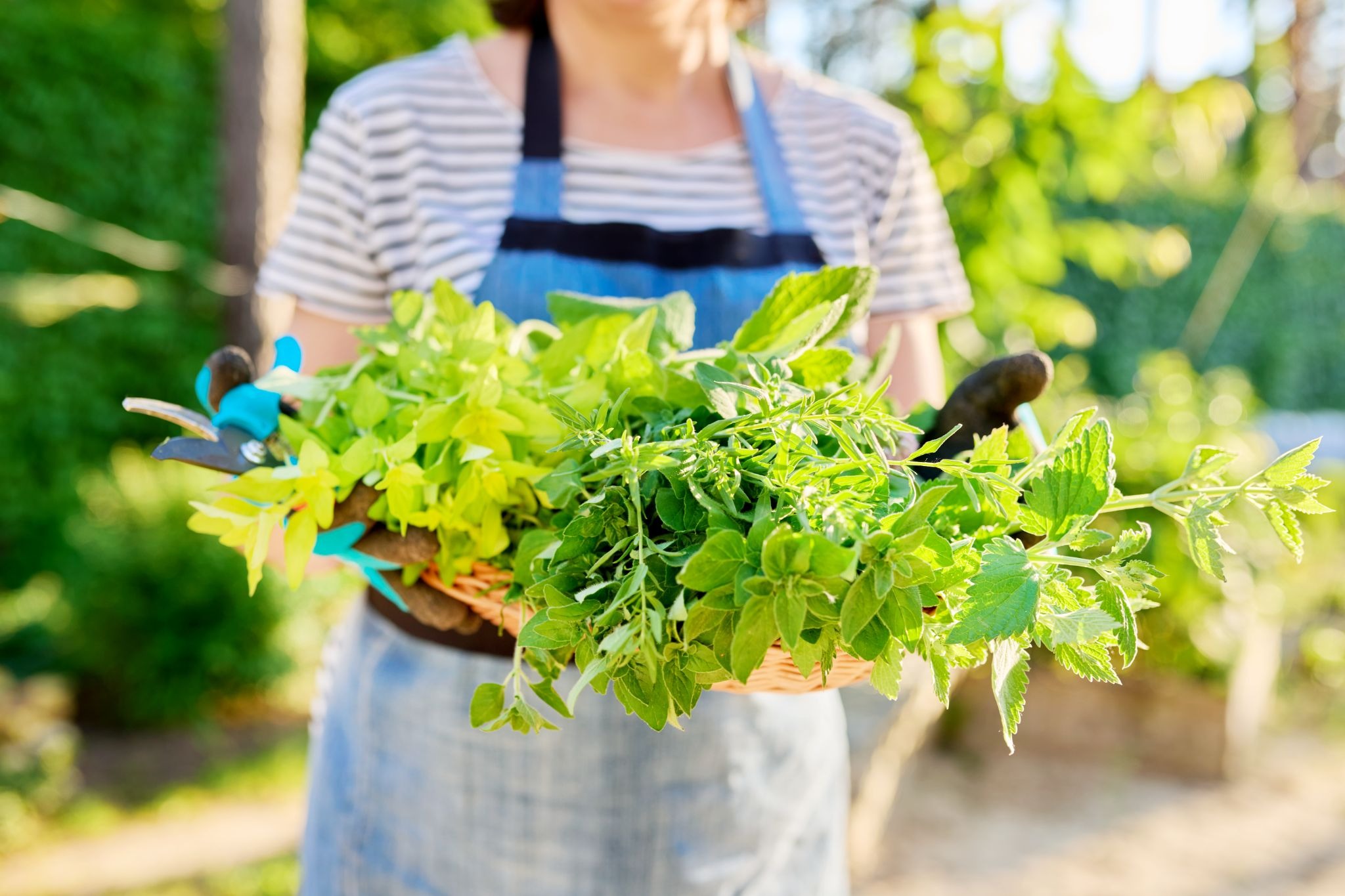
Growing your own culinary herbs can completely transform the way you cook. Fresh herbs add depth, aroma, and flavor that store-bought options rarely match. Beyond taste, they offer nutrition and the satisfaction of harvesting ingredients straight from your garden. Whether you’re a seasoned cook or a beginner, selecting the right herbs is key to creating successful garden herb recipes.
Herbs are versatile. They can flavor sauces, salads, soups, teas, and desserts. Growing them at home ensures you always have fresh, aromatic options on hand. It also opens up opportunities for experimentation, allowing you to combine flavors you might not otherwise find in stores. With careful selection and proper care, even a small herb garden can provide a steady supply of ingredients for countless dishes.
Why Growing Your Own Culinary Herbs Makes a Difference
Homegrown herbs are far superior in taste compared to dried or store-bought varieties. When herbs are freshly picked, their essential oils are at their peak, which enhances flavor and fragrance. For chefs and home cooks alike, this can turn simple recipes into extraordinary meals.
Cost is another benefit. Buying fresh herbs regularly can be expensive, especially specialty varieties. Growing your own herbs eliminates that recurring expense while providing a continuous supply. Additionally, having herbs close at hand encourages creativity. You might try adding fresh basil to pasta, sprinkling thyme into roasted vegetables, or steeping mint in tea, often without planning ahead.
Experimentation is easier when herbs are accessible. A backyard or windowsill herb garden allows you to test flavors, mix combinations, and adjust recipes organically. Over time, you develop a better understanding of how each herb behaves, both in cultivation and in the kitchen.
Essential Herbs for a Beginner-Friendly Herb Garden
For those just starting, certain herbs are reliable, resilient, and versatile. Basil, parsley, mint, and chives are excellent beginner-friendly options. They grow quickly, tolerate minor mistakes, and suit a wide range of dishes.
Basil and Its Culinary Uses
Basil is a classic herb for fresh sauces, salads, and Italian dishes. It thrives in warm weather and needs full sun and well-draining soil. Frequent harvesting encourages bushier growth, giving you more leaves over time. Popular garden herb recipes like pesto or caprese salad benefit immensely from freshly picked basil, as its aromatic oils remain intact until used.
Parsley and Its Versatility
Parsley is another versatile herb, available as curly or flat-leaf varieties. Flat-leaf parsley is preferred in cooking for its robust flavor. It’s commonly used in soups, stews, and garnishes. Parsley grows well in both garden beds and containers and can tolerate partial shade, making it ideal for indoor or outdoor gardens.
Aromatic Herbs That Elevate Everyday Dishes
Some herbs have strong flavors that enhance a wide range of dishes. Rosemary, thyme, and oregano are excellent examples. They are particularly useful for roasted meats, savory sauces, and Mediterranean-style recipes. These woody perennials can survive multiple seasons with proper care, offering a long-term return on your gardening effort.
Rosemary: A Hardy Herb for Long-Term Use
Rosemary is drought-tolerant and thrives in sunny locations. It requires pruning to prevent woody stems from taking over. Fresh rosemary complements roasted vegetables, poultry, and even infused oils. Its robust flavor allows you to use it sparingly while still providing a noticeable aroma.
Thyme and Oregano: Compact Herbs for Pots or Beds
Thyme and oregano adapt well to containers, making them ideal for small spaces. Thyme is excellent for soups, stews, and sauces, while oregano is a staple in Mediterranean and Italian cooking. Regular trimming encourages new growth and keeps plants productive throughout the growing season.
Herbs Ideal for Tea and Infused Recipes
Herbs aren’t limited to savory dishes; some thrive as teas or infusions. Mint, lemon balm, and chamomile are excellent examples. Mint is fast-growing and spreads easily, making it perfect for containers. Lemon balm adds a citrusy note to teas and desserts, while chamomile’s delicate flowers can be harvested for calming herbal infusions. Growing these herbs at home ensures you always have fresh leaves and blossoms for beverages or desserts.
Herbs for Salads, Dressings, and Fresh Uses
Certain herbs are best enjoyed raw, enhancing salads, dressings, and cold dishes. Dill, cilantro, and tarragon are prime examples. Dill works well in pickles and seafood dishes, cilantro pairs with salsas and Asian cuisine, and tarragon adds a subtle anise flavor to dressings and sauces. Harvesting these herbs frequently encourages new growth, allowing for continuous use throughout the season without stressing the plant.
Maintaining and Harvesting Herbs for Maximum Flavor
Proper maintenance maximizes both growth and flavor. Regular pruning encourages fuller plants, while removing flowers from certain herbs like basil and parsley can prevent bitterness. Timing is important: herbs are most flavorful when harvested in the morning after dew has dried.
Fresh herbs can be used immediately, stored in water like cut flowers, or dried for later use. For long-term storage, freezing herbs in ice cube trays with olive oil or water preserves flavor for months. Consistent care and proper harvesting techniques ensure that your garden remains productive and flavorful.
Conclusion
Growing your own herbs for garden herb recipes provides unmatched freshness, flavor, and convenience. Beginner-friendly options like basil, parsley, and mint are easy to cultivate and versatile in the kitchen. Aromatic herbs like rosemary, thyme, and oregano elevate everyday meals, while herbs like dill, cilantro, and tarragon add nuance to fresh dishes. Proper planting, consistent maintenance, and careful harvesting ensure your herb garden remains productive throughout the season. Whether for teas, dressings, or savory recipes, homegrown herbs bring both flavor and satisfaction to your cooking.
FAQs
1. What are the easiest herbs to grow at home for cooking?
Basil, parsley, mint, and chives are beginner-friendly herbs that grow quickly, tolerate minor mistakes, and can be used in a variety of recipes.
2. How often should I harvest herbs for maximum flavor?
Herbs are most flavorful when harvested regularly, ideally in the morning after dew, which encourages new growth and maintains taste quality.
3. Can I grow herbs indoors for garden herb recipes?
Yes, many herbs like basil, parsley, and thyme thrive in containers with sufficient sunlight, making them suitable for indoor herb gardens.
4. How do I store fresh herbs for long-term use?
Fresh herbs can be kept in water like cut flowers, dried, or frozen in ice cube trays with olive oil to preserve flavor and nutrients.
5. Which herbs are best for teas and infusions?
Mint, lemon balm, and chamomile are ideal for herbal teas, providing fresh flavor and aroma while being easy to grow in containers or garden beds.