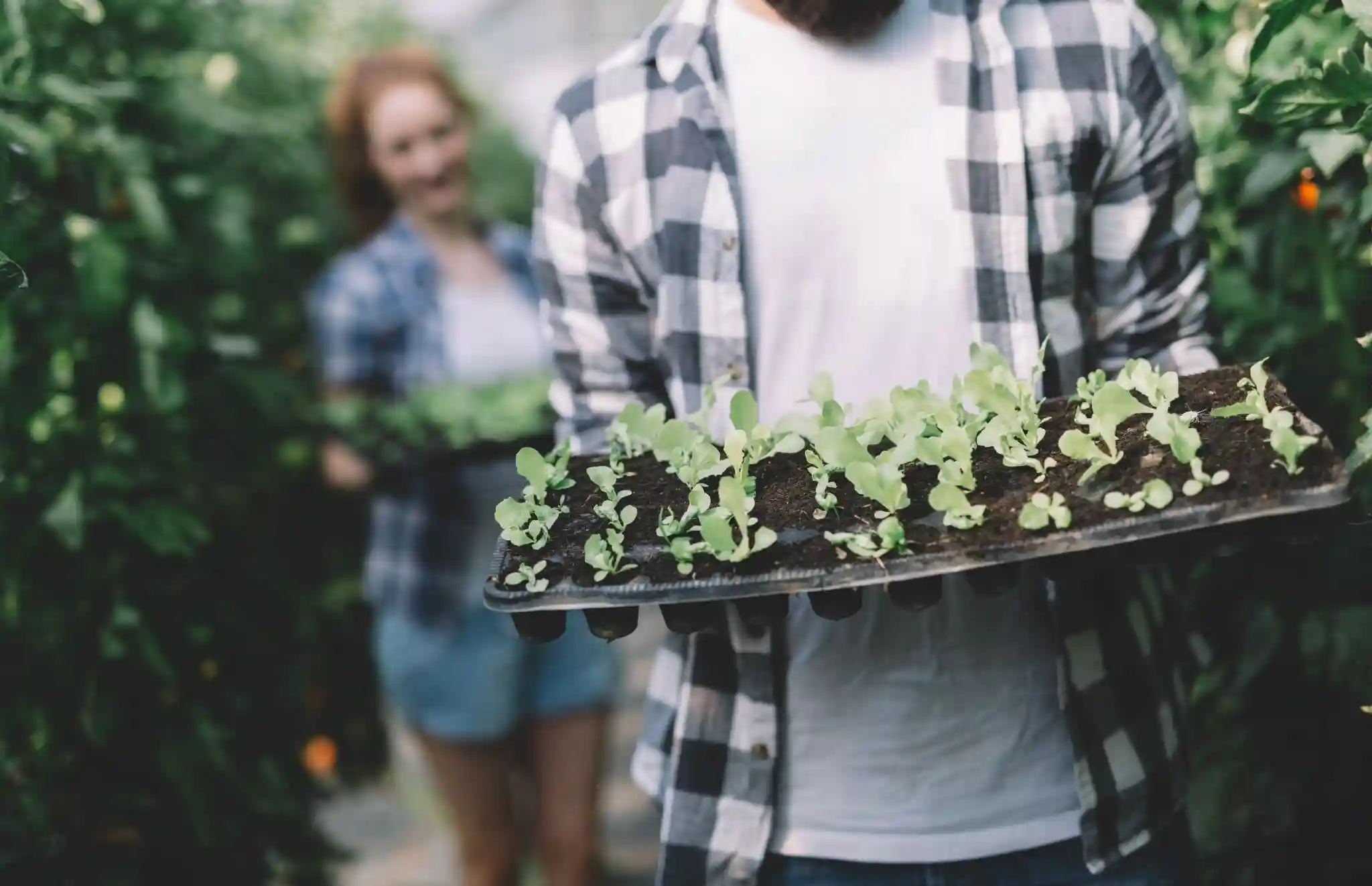
A productive home garden is more than a source of fresh food, it’s a way to make the most of your space, time, and effort. Many gardeners focus on growing plants but overlook strategies that can significantly boost output. Understanding how to maximize edible garden yield involves planning, plant selection, and ongoing care that work together to increase harvests while maintaining plant health.
Yield begins with knowledge. Every factor, from soil quality to sunlight exposure, affects how much food a plant produces. Even a small garden can be surprisingly productive if managed strategically. Beginners often underestimate the impact of careful planning, but with thoughtful techniques, you can transform a modest garden into a consistent source of fresh vegetables, herbs, and leafy greens.
Understanding What Influences Garden Productivity
Garden productivity is influenced by a combination of environmental conditions and plant care practices. Healthy plants naturally produce more food, while stressed or poorly nourished crops yield less. Soil fertility, sunlight availability, watering, and plant spacing all interact to determine the final harvest. Overcrowded beds limit airflow, increase competition for nutrients, and create conditions for pests and disease.
Before planting, evaluate your garden space carefully. Observe sunlight patterns throughout the day, note shaded areas, and consider wind exposure. Adjust plant locations accordingly to ensure each crop receives optimal conditions. Productivity begins with a strong foundation: well-prepared soil, thoughtful placement, and a clear plan for what will grow where.
Choosing High-Producing Plant Varieties
Not all varieties of the same plant produce equal harvests. Genetics play a critical role in yield potential. Selecting high-producing varieties suited to your local climate can make a measurable difference in overall output. Look for fast-growing, disease-resistant strains that are known for consistent harvests.
Fast-Growing Crops for Continuous Harvests
Fast-growing crops are ideal for gardeners who want steady harvests throughout the season. Plants such as radishes, leaf lettuce, and baby spinach mature quickly, allowing multiple planting cycles. Succession planting—staggering seed sowing every few weeks—ensures a constant supply of fresh produce without long gaps between harvests. This approach keeps the garden productive from early spring through fall.
Compact Varieties for Small Spaces
For gardeners with limited space, compact or dwarf varieties are a game-changer. Bush beans, cherry tomatoes, and small pepper plants are designed to produce abundant fruit in smaller areas. Container-friendly varieties can thrive in pots or raised beds, allowing gardeners to maximize vertical and horizontal space while maintaining high yields.
Improving Soil Health for Stronger Plant Growth
Soil quality is the foundation of a productive garden. Nutrient-rich soil supports strong root systems, vigorous growth, and larger harvests. Incorporate organic matter, such as compost or well-rotted manure, to improve soil structure and fertility. Balanced nutrients, especially nitrogen, phosphorus, and potassium, help plants produce leaves, flowers, and fruit efficiently.
Regular soil testing can guide fertilization strategies and prevent deficiencies that limit growth. Healthy soil also improves water retention and drainage, reducing stress on plants during dry or wet periods. Focusing on soil health pays dividends by ensuring your plants reach their full potential.
Optimizing Garden Layout and Plant Spacing
Strategic garden layout enhances both plant health and yield. Overcrowding reduces airflow and sunlight penetration, while uneven spacing can lead to competition for water and nutrients. Follow spacing recommendations for each crop to prevent these problems.
Using Vertical Gardening Techniques
Vertical gardening is an excellent way to expand growing space and increase productivity. Trellises, cages, and supports allow climbing plants like beans, cucumbers, and tomatoes to grow upward rather than outward. This method frees up ground space for additional crops and improves sunlight exposure for all plants.
Companion Planting for Better Growth
Companion planting pairs crops that benefit each other. For example, planting basil near tomatoes can improve tomato flavor and deter pests. Legumes fix nitrogen in the soil, benefiting nearby leafy greens. Thoughtful companion planting enhances growth, reduces disease, and ultimately increases overall yield.
Watering Strategies That Promote Higher Yields
Consistent, effective watering is essential for maximizing edible garden yield. Deep watering encourages roots to grow downward, creating stronger plants capable of accessing moisture during dry periods. Frequent shallow watering, by contrast, often results in weak root systems and uneven growth.
Watering early in the day reduces evaporation and allows leaves to dry before nightfall, reducing disease risk. Drip irrigation or soaker hoses deliver water efficiently and minimize wastage, keeping plants healthy and productive while conserving resources.
Managing Pests and Diseases Without Reducing Harvests
Even well-planned gardens face pests and diseases that can reduce yields. Early detection and preventive strategies are key. Mulching suppresses weeds and helps retain soil moisture, while row covers protect seedlings from insects. Rotating crops and maintaining plant diversity reduces the spread of disease.
Integrated pest management, which combines biological controls, manual removal, and targeted treatments, allows gardeners to control threats without harming beneficial insects. Healthy plants, supported by proper nutrition and care, are naturally more resistant to pests and can recover more quickly when issues arise.
Harvesting Practices That Encourage Continued Production
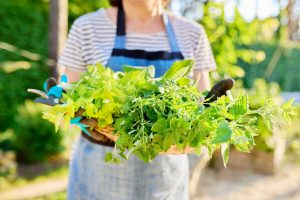
How and when you harvest impacts future productivity. Regular harvesting prevents plants from slowing growth or going to seed too early. Leafy greens, herbs, and fruiting plants respond best to frequent, careful picking. Removing mature leaves or fruits encourages the plant to produce more.
Timing is critical. Harvest too early, and plants may not fully develop; harvest too late, and quality declines. Learning the right moment to collect each crop helps maximize both yield and flavor, ensuring consistent output throughout the season.
Seasonal Planning for Continuous Garden Output
Planning crops according to seasonal cycles ensures that your garden produces steadily year-round. Rotating crops prevents nutrient depletion and reduces disease buildup. Staggering planting times avoids harvest gaps and spreads workload evenly.
Extending the growing season with row covers, cold frames, or container gardening allows gardeners to produce food beyond traditional planting windows. Strategic planning lets you maintain productivity even in limited spaces or challenging climates.
Conclusion
Maximizing edible garden yield is a combination of strategy, care, and smart plant selection. Choosing high-producing varieties, improving soil health, and optimizing garden layout all contribute to larger harvests. Consistent watering, pest management, and proper harvesting techniques sustain productivity over time. Even small spaces can yield abundant, fresh produce when these principles are applied thoughtfully. By combining planning, observation, and practical techniques, home gardeners can enjoy continuous, high-quality harvests while building a long-term, productive edible garden.