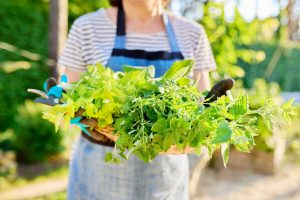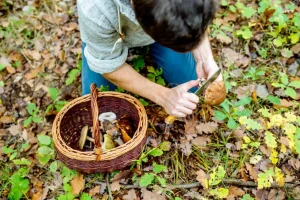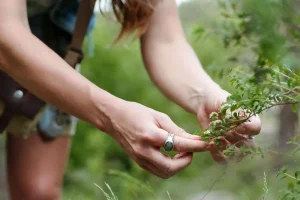
Stepping into nature can feel like entering a hidden pantry. Meadows, forests, riverbanks, and even city parks quietly grow plants that humans have eaten for thousands of years. Long before supermarkets existed, survival depended on knowing which leaves healed hunger and which could end a life. Today, interest in edible wild plants is surging again as people seek sustainable food sources, reconnect with nature, or prepare for emergencies.
Yet foraging is not a hobby to approach casually. Many edible plants have toxic lookalikes. A harmless leaf in one species can resemble a deadly one in another. According to food safety researchers, plant misidentification is one of the most common causes of natural poisoning worldwide. This is why experienced foragers repeat one rule above all others: never eat a plant unless you are completely certain of its identity.
This guide explores common edible wild plants, dangerous toxic species, how to tell them apart, and expert-backed safety principles. Whether you are curious about survival skills, sustainable eating, or simply expanding your botanical knowledge, understanding these plants can be both empowering and fascinating.
Why Humans Are Returning to Wild Foods
Interest in wild foraging has grown dramatically over the past decade. Nutritionists point out that many wild plants contain higher levels of vitamins, minerals, and antioxidants than cultivated vegetables. Because they grow naturally without fertilizers or pesticides, they often develop stronger protective compounds, which can benefit human health.
Environmental scientists also highlight sustainability. Wild harvesting, when done responsibly, reduces reliance on industrial agriculture. Some chefs in high-end restaurants now feature foraged ingredients to showcase local ecosystems and seasonal flavors.
On a personal level, foraging reconnects people with landscapes. Gathering food by hand transforms a walk into an experience of awareness. You begin to notice soil moisture, sunlight patterns, and seasonal changes in ways that grocery shopping never requires.
Still, the line between nourishment and danger remains thin.
Common Edible Wild Plants Found Worldwide
Many edible plants grow across continents, often dismissed as weeds. These species are widely recognized by botanists and survival experts as safe when properly identified.
Dandelion: The Misunderstood Superfood
Few plants are as ubiquitous as the bright yellow dandelion. Often targeted by lawn chemicals, it is actually entirely edible. Leaves, flowers, and roots can all be consumed.
Young leaves taste slightly bitter but are rich in vitamins A, C, and K. Flowers can be used for teas or syrups, while roots are sometimes roasted as a coffee substitute. Herbalists have long valued dandelion for digestive support.
One gardener once joked that she stopped fighting dandelions after learning they were healthier than many store-bought greens. Her lawn became a salad bowl rather than a battleground.
Stinging Nettle: Painful but Nutritious
Brushing against nettle causes a sharp sting, yet cooking neutralizes the irritating hairs completely. Once steamed or boiled, the leaves resemble spinach in flavor and texture.
Nettles contain iron, calcium, and plant protein, making them valuable in regions where nutrient-rich foods are scarce. Traditional medicine systems have used them for centuries to support joint health and circulation. Foragers typically harvest young spring shoots, wearing gloves to avoid irritation.
Edible Wild Greens Often Overlooked
Beyond well-known species, many leafy plants provide nourishment when identified correctly. Lamb’s quarters, chickweed, and plantain leaves are common examples used in traditional cuisines worldwide.
These greens often contain more micronutrients than cultivated lettuce. Survival experts sometimes call them “emergency vegetables” because they grow in disturbed soil, roadsides, and abandoned lots.
Their resilience makes them reliable food sources in difficult conditions.
Toxic Wild Plants That Can Be Deadly
Nature’s pantry also contains poisons. Some toxic plants cause mild illness, while others can lead to organ failure or death within hours.
Poison Hemlock: A Silent Killer
This plant gained historical notoriety as the substance used in ancient executions. It resembles edible parsley or wild carrot, making it especially dangerous.
All parts are toxic, and ingestion can lead to respiratory paralysis. The plant often grows along roadsides and waterways, increasing the risk of accidental contact.
Deadly Nightshade
Known for its dark berries and bell-shaped flowers, this plant contains potent alkaloids affecting the nervous system. Symptoms may include hallucinations, rapid heart rate, and severe organ disruption.
Despite its attractive appearance, even small amounts can be life-threatening, particularly for children.
Foxglove
Tall spikes of purple flowers make foxglove a popular ornamental plant, yet it contains compounds used in heart medications at carefully controlled doses. In the wild, ingestion can disrupt heart rhythm dangerously. Its beauty often lures curious individuals, underscoring the importance of plant education.
Water Hemlock
Often considered one of the most toxic plants in North America and parts of Eurasia, water hemlock grows in wet environments. Its roots are particularly poisonous. Confusion with edible root plants has led to numerous poisoning cases. Experts warn that even experienced foragers approach it with extreme caution.
Why Toxic Lookalikes Are So Dangerous
Many deadly incidents occur not because people eat random plants but because they mistake one species for another. Wild carrot and poison hemlock, for example, share similar leaves and flower structures.
Botanists emphasize examining multiple characteristics, including stem markings, smell, habitat, and growth pattern. Relying on a single visual cue is risky.
Field guides, plant identification apps, and local expert training significantly reduce errors. Some foragers follow a rule of confirming identity through at least three independent features before harvesting.
Safe Foraging Practices Recommended by Experts
Responsible foraging begins with education. Taking classes from trained botanists or joining local foraging groups provides hands-on experience that books alone cannot offer. Harvesting from clean environments is equally important. Plants growing near busy roads, industrial sites, or sprayed fields may absorb pollutants.
Moderation also matters. Trying a small amount first allows you to observe any allergic reactions. Even edible plants can cause sensitivities in some individuals.
Respect for ecosystems is another key principle. Overharvesting can damage plant populations and wildlife habitats. Ethical foragers take only what they need and leave roots intact when possible.
Nutritional Benefits of Edible Wild Plants
Wild plants often surpass cultivated crops nutritionally because they grow under natural stress conditions. This stress triggers the production of protective phytochemicals, many of which benefit human health. Studies show certain wild greens contain higher antioxidant levels than spinach or kale. These compounds support immune function and may reduce inflammation.
Real-Life Story: A Forager’s Lesson
A beginner forager once shared how she confidently collected what she believed were edible greens from a riverside. Before cooking them, she posted photos in an online plant community. Experienced members quickly identified the plant as a toxic species.
That moment changed her approach permanently. She began attending workshops, carrying field guides, and cross-checking every find. Today she still forages regularly, but with knowledge rather than guesswork. Her story reflects a broader truth: enthusiasm must be matched with caution.
Edible Wild Plants in Survival Situations
Survival training programs often include plant identification because food scarcity can become life-threatening quickly. While animals may be difficult to hunt, plants are stationary and abundant.
However, experts emphasize that starvation is usually less immediate than poisoning. Eating an unknown plant out of desperation can be more dangerous than temporary hunger. Reliable species like cattails, dandelions, and certain nuts are commonly taught because they are widespread and relatively easy to recognize.
The Role of Cultural Knowledge
Indigenous communities worldwide possess deep knowledge of local edible plants, developed over generations. This knowledge includes not only which plants to eat but also how to prepare them safely.
Some plants require cooking, soaking, or fermentation to remove toxins. Without traditional preparation methods, they may be unsafe. Respecting and learning from these traditions enriches modern understanding while honouring cultural heritage.
How to Start Learning Safely
Beginners should start with a small number of unmistakable plants. Mastering the identification of just five to ten species builds confidence and reduces risk.
Using multiple resources, including field guides, expert instruction, and botanical references, ensures accuracy. Photography can help document finds for later verification. Most importantly, patience is essential. Foraging is a skill developed over time, not a quick shortcut to free food.
Final Thoughts
The world of edible wild plants is both generous and unforgiving. Nature offers abundant nourishment, yet demands respect and knowledge in return. Understanding which plants are safe and which are toxic transforms foraging from a risky gamble into a rewarding practice.
When approached carefully, wild foods can enrich diets, deepen environmental awareness, and reconnect us with ancient human traditions. But the golden rule remains unchanged across cultures and generations: if you are not absolutely certain, do not eat it. Knowledge, not hunger, should guide your hand.