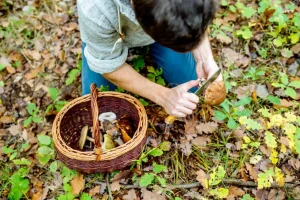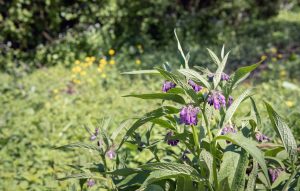

Spending time outdoors often leads to a simple question: What plants are growing around me? Wild plants appear along trails, in forests, across open fields, and even in small urban parks. Many look similar at first glance, yet they belong to very different species with unique characteristics.
Learning to identify wild plant types safely is a valuable skill for hikers, gardeners, educators, and nature enthusiasts. Correct identification helps people understand ecosystems, avoid harmful plants, and develop a deeper appreciation for local landscapes.
However, plant identification requires more than a quick guess. Some species look nearly identical but differ in toxicity or ecological role. A careful and structured approach makes the process both safer and more rewarding.
This guide explains how to observe plant features, understand habitat clues, use modern tools responsibly, and build long-term plant identification skills.
Why Accurate Wild Plant Identification Matters
Many people begin identifying plants out of curiosity. Yet the ability to recognize species has practical benefits far beyond casual interest.
First, accurate identification improves personal safety. Some wild plants can cause skin irritation, allergic reactions, or poisoning if handled incorrectly. Recognizing risky species helps prevent accidental contact.
Second, plant identification supports environmental awareness. Native plants often provide food and shelter for insects, birds, and mammals. When people can distinguish native species from invasive ones, they better understand the health of local ecosystems.
Third, understanding plant diversity enriches outdoor experiences. A walk through a meadow or forest becomes more meaningful when you can recognize the plants that define the landscape.
Experts in ecology often emphasize that plant recognition is one of the first steps toward understanding nature. Once people learn to identify wild plant types, they begin noticing seasonal changes, wildlife interactions, and habitat patterns they might otherwise miss.
Observing Key Physical Features of Plants
Professional botanists rely on careful observation when identifying plants. Beginners can use the same approach by focusing on a few important characteristics.
Examining a plant closely reveals details that separate one species from another. Leaves, flowers, stems, and growth patterns all provide important clues.
Leaf Shape and Arrangement
Leaves often provide the fastest way to narrow down plant identity. Their shapes, edges, and arrangement along the stem vary widely between species.
Some plants grow leaves opposite each other along the stem, while others alternate from one side to the other. Some leaves are smooth and rounded, while others are narrow or deeply lobed.
Texture also matters. Thick waxy leaves may suggest plants adapted to dry climates, while thin delicate leaves often indicate species that grow in moist or shaded areas.
Observing these patterns carefully helps eliminate many possibilities when trying to identify wild plant types.
Flower Structure and Color
Flowers are one of the most recognizable features in plant identification. Their shapes, colors, and arrangement often reveal a plant’s family or genus.
For example, many wildflowers have distinct petal arrangements that remain consistent within related species. Color patterns can also signal pollination strategies, attracting specific insects or birds.
However, flowers are not always present. Some plants bloom for only a short time each year. When flowers are absent, leaves and stems become more important clues.
Stem and Growth Patterns
Stems reveal how a plant grows and supports itself. Some species grow upright with a single central stem. Others spread horizontally across the ground or climb using surrounding structures.
Texture and thickness also matter. Woody stems typically belong to shrubs or young trees, while soft green stems often belong to herbaceous plants.
Growth patterns can also show how plants compete for sunlight. Tall stems may help plants rise above nearby vegetation, while creeping stems allow others to spread quickly across open ground.
Understanding Plant Habitats and Ecosystems
One of the most useful strategies in plant identification is studying the environment where a plant grows. Habitat conditions strongly influence which species appear in a given location.
Knowing the surrounding ecosystem can significantly narrow the list of possible species when trying to identify wild plant types.
Forest and Woodland Plants
Woodland environments create unique growing conditions. Tree canopies limit sunlight, while fallen leaves enrich the soil with organic matter.
Plants in these areas often have large leaves designed to capture limited light. Many also bloom early in spring before trees fully leaf out.
Because woodland habitats are stable and shaded, they often support specialized plant communities adapted to these conditions.
Field and Meadow Plants
Open meadows provide the opposite environment. Plants receive abundant sunlight but must compete with grasses and other fast-growing species.
Many meadow plants develop bright flowers to attract pollinators. Others grow tall stems that help them rise above surrounding vegetation.
These landscapes are often among the most colorful ecosystems during spring and summer due to the diversity of wildflowers present.
Wetland and Water-Edge Plants
Wetlands support plants adapted to saturated soil and standing water. These species often have flexible stems, broad leaves, or air-filled tissues that help them survive in moist environments.
Because water shapes plant communities so strongly, wetlands often host unique species rarely found in drier landscapes.
Recognizing these habitat patterns helps narrow down plant identity quickly and accurately.
Using Modern Tools for Plant Identification
Technology has transformed the way people learn about plants. Today, digital resources make it easier than ever to identify species during outdoor exploration.
However, tools work best when combined with careful observation.
Field Guides and Plant Books
Traditional plant field guides remain one of the most reliable resources. They organize plants by region, habitat, and visible characteristics.
Many guides include detailed illustrations or photographs that highlight distinguishing features. This makes it easier to compare multiple species and confirm identification.
Field guides also provide ecological context, explaining where plants grow and when they bloom.
Mobile Apps and Digital Databases
Plant identification apps have become popular among hikers and nature lovers. These tools use image recognition to analyze photographs and suggest possible species.
While convenient, these apps are not perfect. Lighting conditions, seasonal changes, or unusual plant growth can lead to incorrect suggestions.
Experts recommend using digital tools as a starting point rather than a final answer. Combining app results with field guide research leads to more accurate identification.
Safety Guidelines When Studying Wild Plants
Exploring plants safely requires awareness and caution. Even experienced botanists follow certain safety practices when observing unfamiliar species.
First, avoid touching plants unless you are confident they are safe. Some species produce chemicals that irritate the skin.
Second, avoid tasting or consuming wild plants unless identification is absolutely certain. Misidentification can lead to serious health risks.
Finally, respect the environment. Observing plants without disturbing them helps preserve ecosystems for wildlife and future visitors.
Recognizing Potentially Toxic Plants
Certain warning signs can suggest that a plant may be harmful. Bright berries, milky sap, or unusual odors sometimes indicate defensive chemicals.
However, appearances can be misleading. Some toxic plants look harmless, while some edible species resemble dangerous ones.
Because of this, experts emphasize caution when attempting to identify wild plant types.
Safe Observation Practices
Safe plant observation focuses on careful study rather than direct interaction. Using gloves, photographing plants, and examining them from a distance can reduce potential risks.
These habits protect both the observer and the plant environment.
Common Challenges in Identifying Wild Plants
Plant identification can be difficult even for experienced observers. Many species look extremely similar, especially within the same botanical family.
Seasonal variation also complicates identification. Plants often appear very different at various stages of growth. A young plant may look nothing like its mature form.
Environmental stress can also change plant appearance. Drought, poor soil, or insect damage may alter leaf size, color, or growth patterns.
These challenges highlight the importance of patience and repeated observation when learning to identify wild plant types.
Building Skills in Plant Identification
Like any natural science skill, plant identification improves with practice. The more plants you observe, the easier it becomes to recognize patterns and differences.
Many experts recommend focusing on a small number of species at first. Learning to recognize a few common plants builds confidence and creates a foundation for identifying more complex species later.
Keeping a Nature Journal
Recording observations helps reinforce learning. A simple notebook can include sketches, photographs, habitat descriptions, and seasonal notes.
Over time, these records reveal patterns that make plant identification easier and more intuitive.
Joining Nature or Botany Groups
Community learning can accelerate plant identification skills. Local nature groups, botanical societies, or guided nature walks provide opportunities to learn from experienced observers.
Sharing knowledge with others also exposes beginners to plants they might not notice on their own.
FAQs
1. What is the easiest way to identify wild plant types for beginners?
Start by observing leaf shape, plant height, and habitat. Use field guides or plant identification apps to compare features. Practice regularly to improve recognition skills.
2. Can mobile apps accurately identify wild plants?
Plant apps are useful starting tools but not always perfect. They work best when combined with careful observation, habitat knowledge, and confirmation through field guides or trusted plant databases.
3. Why is it important to identify wild plants correctly?
Correct identification helps avoid toxic plants, supports environmental awareness, and improves understanding of ecosystems. It also allows people to appreciate biodiversity during outdoor activities.
4. Is it safe to touch wild plants when identifying them?
It is safer to avoid touching unknown plants. Some species cause skin irritation or allergic reactions. Observing visually or photographing the plant is usually the best approach.
5. How long does it take to learn plant identification skills?
Plant identification develops gradually through practice. Many beginners start recognizing common species within a few months, while deeper botanical knowledge develops over years of observation.