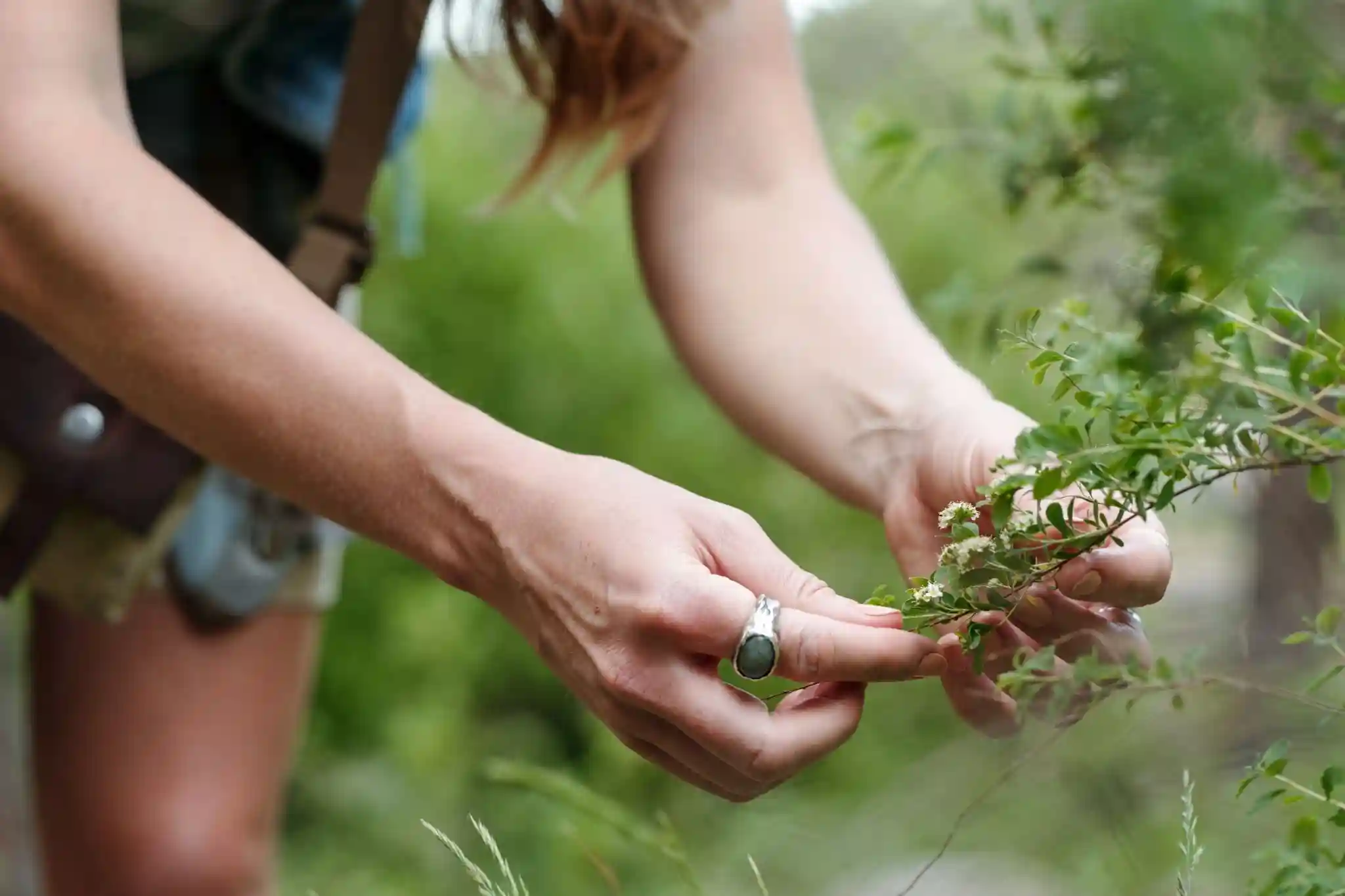
Foraging for wild plants has become increasingly popular as more people look for ways to reconnect with nature and explore natural food sources. Walking through forests, meadows, and countryside areas while identifying edible plants can feel like rediscovering a forgotten skill. For many, it combines outdoor adventure with curiosity about traditional food practices. However, the growing interest in foraging also brings responsibility. Harvesting wild plants without proper care can damage fragile ecosystems and reduce plant populations that wildlife depends on.
Wild plants are part of complex ecological systems. They provide food for birds, insects, and mammals, while also helping maintain soil stability and biodiversity. When too many plants are removed from one area, these natural relationships can be disrupted. Over time, excessive harvesting may even cause certain species to decline in places where they once grew abundantly.
This is why sustainable wild foraging is an important concept for modern foragers. Sustainable harvesting focuses on gathering plants in a way that allows them to continue growing and reproducing naturally. It encourages awareness of plant populations, respect for habitats, and thoughtful harvesting habits. Instead of collecting large amounts at once, responsible foragers take only what nature can easily replace. With the right knowledge and approach, anyone can enjoy foraging while protecting the environment.
Understanding the Principles of Sustainable Wild Foraging
Sustainable wild foraging is based on the idea that natural resources should be used carefully so ecosystems remain healthy over time. Wild plants play important roles in nature. Berries feed birds during migration, flowers provide nectar for pollinators, and many animals rely on plants for shelter or nesting materials. Removing too many plants from an area can reduce these resources and weaken the ecosystem.
Responsible foragers approach harvesting with observation and restraint. Before collecting anything, they look at the overall health and abundance of the plant population. If only a few plants are present, it is better to leave them untouched. When plants grow in large, thriving patches, selective harvesting may be possible without harming the environment.
Many traditional cultures practiced similar approaches long before modern conservation ideas existed. Communities that depended on wild foods understood that nature had limits. They harvested mature plants, avoided disturbing young growth, and often rotated gathering areas so plant populations could recover. These practices ensured that wild foods remained available year after year.
Preparing Before You Go Foraging
Preparation is one of the most important steps in responsible foraging. Many beginners go into natural areas with enthusiasm but little knowledge about local plants or habitats. Without preparation, they may accidentally collect protected species, harvest immature plants, or disturb fragile ecosystems.
Learning about local plant species is a good place to start. Every region has different edible plants and seasonal cycles. Understanding when plants appear, flower, and produce fruit helps prevent harvesting them before they are ready. It also improves the chances of finding plants when they are most abundant.
Reliable plant identification resources are essential. Field guides, botanical references, and trusted online databases can help foragers learn how to recognize edible plants accurately. These resources often highlight similar-looking species that may be toxic, which is important for safety.
Identifying Plants With Confidence
Correct plant identification is one of the most important skills a forager can develop. Many edible plants have look-alikes that can be harmful or poisonous if consumed. Relying on guesswork is never safe when collecting plants from the wild.
Experienced foragers study several characteristics before harvesting. These may include leaf shape, stem texture, flower structure, smell, and the type of habitat where the plant grows. Observing multiple features together makes identification far more reliable.
Beginners often benefit from starting with just a few easy-to-recognize plants. Learning these species thoroughly builds confidence and reduces the risk of mistakes. Over time, foragers can expand their knowledge to include more plants as their skills improve.
Understanding Local Ecosystems
Responsible foraging requires awareness of the larger environment. Different habitats support different plant communities, and some areas recover slowly after disturbance. For example, plants growing in dry or mountainous regions may take longer to regenerate than those in fertile forests.
Before harvesting, foragers should observe the size and health of the plant population. If plants are scarce or appear stressed, harvesting them could weaken the entire group. In these situations, it is better to leave them untouched.
Ethical Harvesting Techniques That Protect Plant Populations
Once a plant has been correctly identified and the population appears healthy, the next step is harvesting in a responsible way. Ethical harvesting focuses on minimizing damage while allowing plants to continue growing.
One common guideline is to harvest only a small portion of plants from a given area. Many experienced foragers follow a rule of taking no more than about five percent of the available plants. This ensures that most of the population remains untouched and capable of reproducing.
Spreading harvesting across different areas is another helpful strategy. Instead of collecting everything from one location, responsible foragers gather small amounts from multiple patches. This reduces pressure on any single plant population.
The part of the plant being harvested also matters. Collecting leaves, flowers, or fruits usually allows the plant to survive and continue growing. Removing roots, however, kills the plant entirely. For this reason, root harvesting should be done sparingly and only when plants are abundant.
Avoiding Environmental Damage While Foraging
The environmental impact of foraging is not limited to harvesting plants. Movement through natural areas can also cause damage if done carelessly. Trampling vegetation, disturbing soil, or creating informal paths may harm habitats that take years to recover.
Walking carefully through natural spaces helps reduce these impacts. Staying on established trails whenever possible protects surrounding vegetation. When stepping off paths to reach plants, foragers should move slowly and avoid stepping on delicate plants.
Minimizing Soil and Habitat Disturbance
Soil health is essential for plant growth. Pulling plants from the ground or digging unnecessarily can weaken root systems and increase erosion. Using scissors or a small knife to cut stems is often a better option because it leaves the plant intact.
Clean cuts also help plants recover more quickly after harvesting. Gentle harvesting methods protect not only the plant being collected but also the surrounding habitat. Keeping the landscape undisturbed benefits both wildlife and future foragers.
Respecting Wildlife and Natural Cycles
Wild plants support many species beyond humans. Pollinators depend on flowers for nectar, while birds and mammals rely on fruits and seeds. Removing too many plants from one area may reduce these food sources.
Responsible foragers pay attention to wildlife activity before harvesting. If animals are clearly using a plant as a major food source, leaving it untouched helps maintain ecological balance. Seasonal awareness is also important. Harvesting during nesting or breeding periods may disturb wildlife habitats, so avoiding sensitive times is the best approach.
Legal and Ethical Considerations for Wild Plant Harvesting
Foraging rules vary depending on location. Some public lands allow limited harvesting, while others prohibit it to protect fragile ecosystems. National parks and conservation areas often restrict plant collection entirely.
Checking local regulations before harvesting is essential. Many regions publish guidelines about which plants may be collected and in what quantities. Following these rules protects natural resources and prevents legal problems.
Respecting private property is also important. Foragers should always ask permission before harvesting plants on private land. Landowners may also share valuable information about local plants and growing conditions.
Tools and Practices That Support Sustainable Foraging
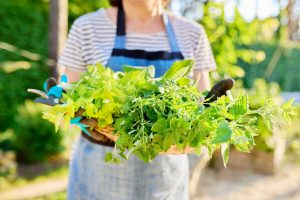
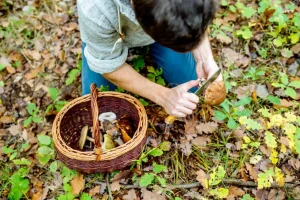
Simple tools can make foraging more efficient while reducing environmental impact. A small knife or pair of scissors allows for precise harvesting without damaging nearby plants. Breathable baskets or cloth bags help keep plants fresh and prevent them from being crushed.
Another useful habit is keeping records of harvest locations and timing. Writing down where plants were collected helps foragers rotate gathering areas. This allows plant populations time to recover between harvest seasons.
Observation is also a valuable practice. Spending time studying how plants grow and change throughout the year improves ecological awareness. Over time, this knowledge helps foragers decide when and where harvesting is appropriate.
Common Mistakes New Foragers Should Avoid
Beginners often make similar mistakes when starting their foraging journey. One common problem is harvesting too much from a single location. Even healthy plant populations can decline if they are repeatedly harvested without time to recover.
Another mistake is relying on uncertain plant identification. Guessing about plant species can lead to dangerous health risks and may harm protected plants. Taking time to confirm identification is always safer.
Some foragers also overlook the impact of their movement through natural habitats. Trampling vegetation or disturbing soil can damage ecosystems even when plants are not harvested.
Building Long-Term Foraging Habits That Support Nature
Developing sustainable habits allows people to enjoy wild foods while protecting the ecosystems that produce them. Observing seasonal cycles, harvesting carefully, and respecting wildlife all contribute to responsible foraging practices.
Over time, many foragers develop a deeper appreciation for the landscapes they visit. They begin to recognize the importance of protecting plant populations and maintaining ecological balance.
Sharing knowledge about responsible harvesting can also help protect natural resources. When more people practice sustainable wild foraging, the pressure on wild plant populations decreases.
FAQs
1. What is sustainable wild foraging?
Sustainable wild foraging means harvesting edible plants in ways that protect ecosystems and allow plant populations to regenerate naturally.
2. How much should I harvest when foraging?
Experts usually recommend collecting only a small portion of plants, often around five percent of a population, to ensure plants continue growing.
3. Why is plant identification important in foraging?
Correct identification prevents accidental poisoning and protects rare or endangered plants from being harvested.
4. Are there laws about foraging wild plants?
Yes. Many parks and protected areas regulate or prohibit plant harvesting, so checking local rules is essential.
5. What tools are useful for beginner foragers?
Simple tools like scissors, small knives, and breathable baskets help harvest plants gently while keeping them fresh.