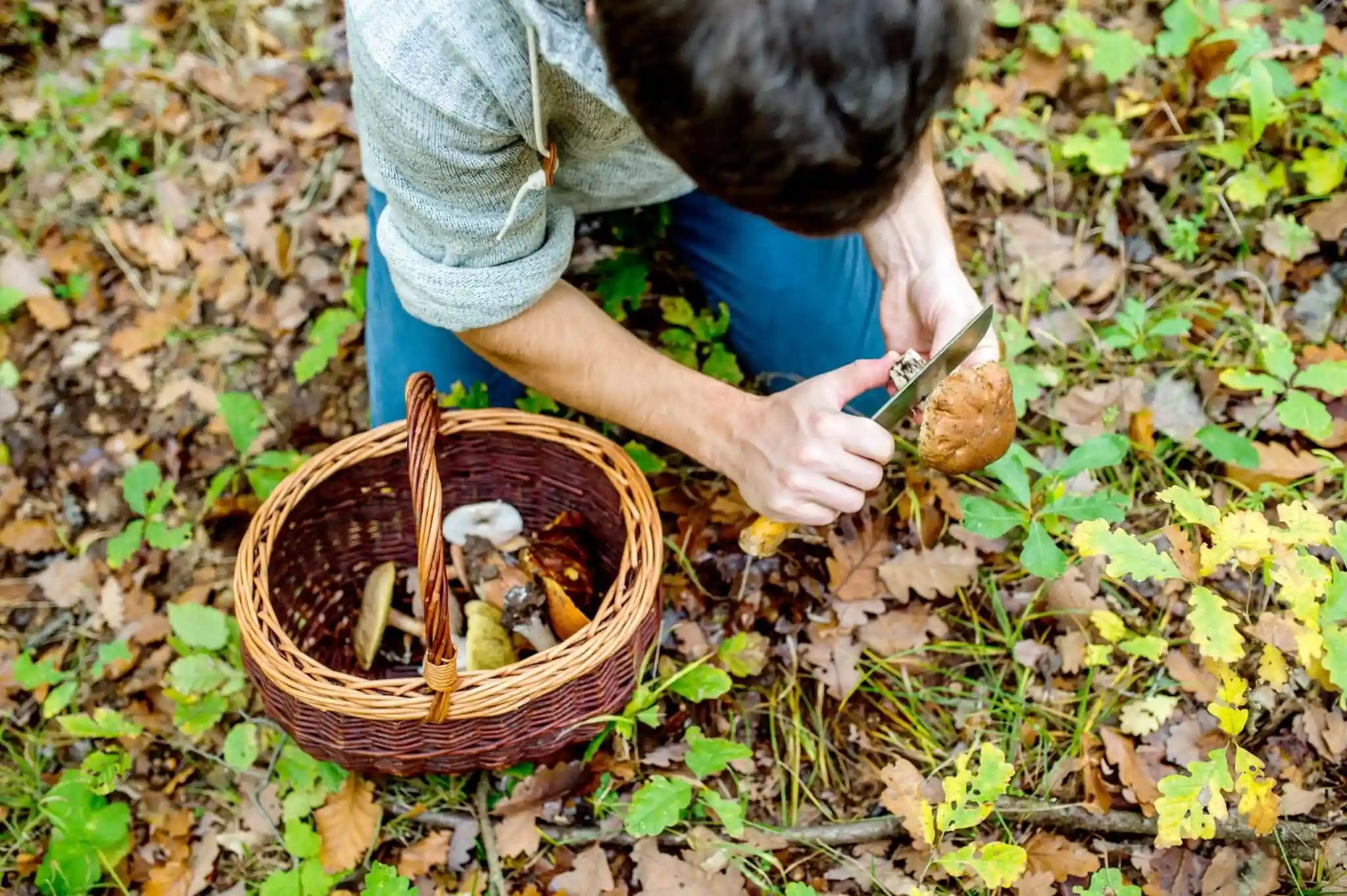
Wild foraging has gained renewed interest as people search for natural foods, outdoor experiences, and sustainable living practices. Exploring forests, meadows, and natural landscapes for edible plants can be rewarding, but it also requires knowledge and careful decision-making. Unlike grocery shopping, foraging involves identifying plants in their natural habitats, understanding seasonal growth cycles, and respecting ecosystems that support these resources. For beginners, the excitement of discovering edible plants must be balanced with safety and responsibility. Learning the right foraging tips for beginners helps reduce risks and ensures the activity remains enjoyable and environmentally sustainable.
At its core, foraging is about observation and patience. The most successful foragers spend time studying plants before harvesting them. They pay attention to how plants grow, where they appear during different seasons, and how they interact with surrounding vegetation. This thoughtful approach allows beginners to build confidence while avoiding common mistakes. Instead of rushing to collect plants, new foragers benefit from focusing on learning first and harvesting later.
Understanding the Basics of Wild Foraging
Wild foraging refers to gathering edible materials directly from nature, including leaves, fruits, seeds, nuts, roots, and sometimes mushrooms. Historically, this practice was essential for survival. Today it often serves as a hobby or lifestyle choice connected to outdoor exploration and local food culture. Modern foragers are less focused on survival and more interested in discovering seasonal foods, learning about ecosystems, and reconnecting with natural environments.
For beginners, understanding the basics means recognizing that foraging is not simply collecting random plants. Each region contains a unique combination of plant species, and many look similar even though they may differ greatly in safety. Learning local plant communities and observing how they grow within their environment builds the foundation for responsible foraging.
Learning to Identify Edible Plants Correctly
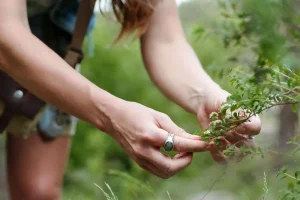
Accurate plant identification is the most important skill for safe foraging. Consuming a plant that has been incorrectly identified can cause serious health risks. Because of this, experienced foragers follow a strict rule: never eat a plant unless you are completely certain of its identity. Studying leaves, stems, flowers, and growth patterns allows beginners to compare features and gradually learn the characteristics of edible plants.
Beginners should also rely on trusted field guides or plant databases when learning to identify plants. Photographs alone can sometimes be misleading because lighting, season, or plant maturity may alter appearance. Cross-checking multiple characteristics improves accuracy and helps prevent confusion between similar species.
Start With Easily Recognizable Species
A common mistake beginners make is trying to learn too many plants at once. This can quickly become overwhelming. A better strategy is to begin with a small number of well-known plants that have distinctive features. Once these species become familiar, recognizing them in different environments becomes easier and confidence begins to grow. Gradually adding new plants to the list creates steady progress while maintaining safety.
Recognizing Look-Alike Plants
Another critical step in learning foraging tips for beginners is understanding that some edible plants have toxic look-alikes. These similar species may share leaf shapes or flower colors but differ in subtle details such as stem texture or leaf arrangement. Careful observation helps identify these differences. Experienced foragers often compare several characteristics before confirming identification, ensuring they do not rely on a single feature.
Choosing the Right Locations for Foraging
The location where plants grow has a major impact on their safety and quality. Even edible plants can absorb pollutants if they grow near contaminated environments. Roadsides, industrial zones, and areas treated with pesticides may expose plants to chemicals that make them unsafe for consumption. Choosing clean natural locations is one of the most practical foraging tips for beginners.
Natural landscapes such as forests, meadows, and rural fields often provide better conditions for foraging. These areas typically have healthier soil and lower pollution levels. However, beginners should still remain aware of local land management practices. Some public parks or protected reserves restrict plant harvesting to preserve ecosystems. Understanding these guidelines helps ensure that foraging activities remain responsible and respectful.
Natural Areas With Low Pollution
Remote natural areas usually provide the safest environments for collecting wild foods. Healthy ecosystems support a diverse range of plants and often indicate better soil and water conditions. Observing surrounding vegetation can also provide clues about environmental health. If many different plant species are thriving in an area, the environment is likely suitable for safe exploration.
Places to Avoid
Certain locations should generally be avoided by foragers. Busy roadsides expose plants to vehicle emissions, while industrial areas may contaminate soil with chemicals or heavy metals. Agricultural land treated with pesticides can also affect nearby plants. Being selective about location protects both health and the quality of collected plants.
Seasonal Awareness in Wild Foraging
Plants follow natural seasonal cycles that influence when they grow, flower, and produce edible parts. Understanding these patterns helps beginners know when to search for specific plants. Spring often brings fresh greens and tender shoots that emerge after winter dormancy. During summer, many plants mature and produce flowers or fruits that attract pollinators and wildlife.
Autumn introduces another phase of plant productivity. Nuts, seeds, and late-season berries become available, providing valuable food sources for animals and foragers alike. Observing how plant availability changes throughout the year helps beginners develop a deeper understanding of local ecosystems. Seasonal awareness is one of the most valuable foraging tips for beginners because it reveals when plants are easiest to identify and harvest.
Spring and Early Summer Plants
Early growth during spring often produces tender leaves and shoots that are easy to recognize. These young plants typically grow quickly in moist soil and moderate temperatures, making this season ideal for learning identification skills.
Late Summer and Autumn Harvests
Later seasons offer fruits, berries, and seeds that mature after months of growth. These foods often attract birds and other wildlife, which makes observing animal behavior another helpful clue when locating edible plants.
Ethical and Sustainable Foraging Practices
Responsible foraging means protecting the ecosystems that support wild plants. Removing too many plants from a single area can disrupt natural regeneration and reduce food sources for wildlife. Ethical foragers follow a simple rule: harvest lightly and leave plenty behind.
Sustainable harvesting also involves selecting mature plants rather than removing young growth. Mature plants have already contributed to the ecosystem and are more likely to recover from careful harvesting. This approach maintains plant populations while allowing future foraging opportunities.
The “Take Only What You Need” Principle
Taking small amounts ensures that plants continue growing and reproducing. This practice protects biodiversity and supports the animals that depend on wild plants for food.
Respecting Protected Areas
Some natural environments are protected specifically to preserve rare plant communities. Understanding local regulations helps ensure that foraging does not harm sensitive ecosystems.
Tools and Preparation for Beginner Foragers
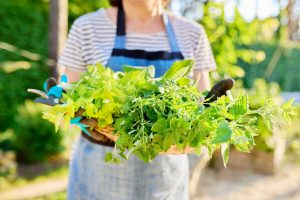
Foraging does not require expensive equipment, but a few basic tools make the experience easier. A breathable basket or cloth bag allows plants to remain fresh during collection. Gloves protect hands from thorns or irritating plant surfaces, while a small knife or scissors allows plants to be harvested cleanly without damaging roots or surrounding vegetation.
Carrying a reliable plant guide or reference images can also help confirm identification while exploring. Keeping collected plants separate and well organized prevents mixing species accidentally. Small preparation steps like these improve both safety and efficiency.
Common Mistakes New Foragers Should Avoid
Beginners often make mistakes because of excitement or limited experience. One common error is collecting plants before fully confirming identification. Another mistake is harvesting large quantities without understanding how plants reproduce or grow within the ecosystem.
Ignoring environmental conditions can also cause problems. Plants growing in polluted soil or contaminated areas may be unsafe even if the species itself is edible. Avoiding these mistakes requires patience, observation, and continuous learning.
Conclusion
Learning foraging tips for beginners involves more than simply finding edible plants. It requires careful observation, accurate identification, and respect for natural ecosystems. Beginners who start slowly, choose clean environments, and harvest responsibly will build the skills needed for safe and enjoyable foraging. Over time, exploring forests, fields, and natural landscapes becomes not only a search for food but also an opportunity to understand the rich plant diversity that surrounds us