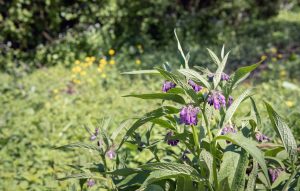

There is something deeply grounding about stepping into nature and recognizing the plants around you. In a world driven by technology and fast-paced living, learning about wild plant types reconnects us with the environment in a meaningful way. It shifts our perspective from passive observation to active understanding, allowing us to see nature not just as scenery, but as a living system filled with purpose and value.
Wild plant identification is more than a hobby; it is a practical skill that has been passed down through generations. For centuries, people relied on their knowledge of plants for food, medicine, and survival. Today, while we may not depend on this knowledge daily, it still holds immense relevance in areas such as environmental awareness, personal safety, and sustainable living.
Understanding wild plants encourages curiosity and appreciation for biodiversity. It transforms a simple walk in the park into an educational experience where every leaf, flower, and tree tells a story.
Enhancing Personal Safety in the Outdoors
One of the most critical reasons to learn wild plant identification is safety. Not all plants are harmless, and some can cause severe allergic reactions or even poisoning if touched or consumed. Knowing how to identify potentially dangerous plants can prevent accidents and protect your health.
For example, plants like poison ivy or toxic berries can easily be mistaken for harmless species by those unfamiliar with them. A basic understanding of plant characteristics such as leaf shape, color, and growth patterns can make a significant difference in avoiding these hazards.
Wild plant identification also plays a crucial role in outdoor activities such as hiking, camping, and foraging. It empowers individuals to make informed decisions and reduces the risk of harmful encounters with nature.
Supporting Sustainable Living Practices
In recent years, sustainability has become a global priority, and wild plant knowledge contributes directly to this movement. Learning about native plants and their ecosystems helps individuals make environmentally responsible choices.
Wild plant identification allows people to recognize edible plants, medicinal herbs, and useful resources that grow naturally. This reduces reliance on processed products and encourages a more sustainable lifestyle.
Additionally, understanding plant ecosystems helps protect biodiversity. When people can identify native species, they are more likely to preserve them and avoid introducing invasive plants that disrupt local habitats.
The Role of Wild Plants in Ecosystems
Every plant plays a role in maintaining ecological balance. From providing oxygen to supporting wildlife, plants are essential to life on Earth. Learning about wild plant types helps us understand these roles and appreciate their importance.
For instance, certain plants act as food sources for insects and animals, while others contribute to soil health and water regulation. Recognizing these connections highlights the interdependence of all living organisms.
Wild plant identification fosters a sense of responsibility toward the environment. It encourages individuals to protect natural habitats and support conservation efforts, ensuring that ecosystems remain healthy and resilient.
Real-Life Story: A Lesson from the Trail
Consider the experience of a beginner hiker who ventured into a forest without much knowledge of local plants. During the trip, they unknowingly brushed against a toxic plant, resulting in a painful skin reaction that lasted for days.
After this incident, they decided to learn about wild plant identification. Over time, they became confident in recognizing both safe and harmful plants. This knowledge not only improved their outdoor experiences but also gave them a sense of independence and confidence.
This real-life example illustrates how learning about wild plants can have immediate and practical benefits. It transforms uncertainty into awareness and empowers individuals to navigate nature safely.
Wild Plant Identification and Foraging
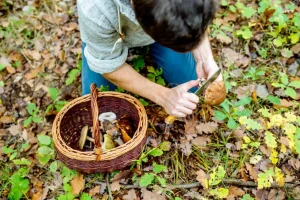
Foraging has gained popularity as people seek natural and organic food sources. However, it requires careful knowledge and responsibility. Wild plant identification is essential for safe and successful foraging.
Edible plants often have toxic look-alikes, making accurate identification crucial. Learning from experts, using reliable guides, and practicing observation skills are key steps in becoming a responsible forager.
Foraging not only provides fresh and nutritious food but also fosters a deeper connection with nature. It encourages mindfulness and respect for natural resources, promoting sustainable harvesting practices.
The Educational Value of Learning Plant Types
Wild plant identification is an excellent educational tool for people of all ages. It combines science, observation, and critical thinking, making it a valuable learning experience.
Children who learn about plants develop a greater appreciation for nature and environmental responsibility. Adults, on the other hand, gain practical skills that enhance their outdoor activities and overall awareness.
Educational programs and workshops often emphasize plant identification as a way to promote environmental literacy. This knowledge empowers individuals to make informed decisions and contribute to conservation efforts.
How Technology Is Transforming Plant Identification
Modern technology has made wild plant identification more accessible than ever. Mobile apps and online resources provide instant information about plant species, making learning easier and more interactive.
These tools use image recognition and databases to help users identify plants quickly. While they are not a substitute for hands-on learning, they serve as valuable aids in building knowledge and confidence.
The integration of technology with traditional learning methods enhances the overall experience, making plant identification more engaging and efficient.
Expert Insights on Building Plant Knowledge
Experts recommend starting with common local plants and gradually expanding your knowledge. Observing plants in their natural environment helps develop recognition skills and understanding.
Keeping a journal or taking notes can also be beneficial. Documenting observations allows individuals to track their progress and deepen their knowledge over time.
Consistency is key. Regular practice and curiosity lead to a stronger understanding of wild plant identification, making it a rewarding and lifelong skill.
The Connection Between Plants and Mental Well-Being
Spending time in nature has been proven to improve mental health, and learning about plants enhances this experience. It encourages mindfulness and presence, allowing individuals to fully engage with their surroundings.
Wild plant identification adds a layer of purpose to outdoor activities. It transforms passive walks into interactive experiences, reducing stress and promoting relaxation.
This connection with nature fosters a sense of peace and well-being, making it an important aspect of a balanced lifestyle.
Common Mistakes Beginners Should Avoid
Beginners often make the mistake of relying solely on visual similarities when identifying plants. This can lead to incorrect conclusions and potential risks.
Another common error is ignoring the importance of context. Factors such as location, season, and environment play a crucial role in accurate identification.
Taking shortcuts or making assumptions can be dangerous. It is essential to verify information using reliable sources and, when in doubt, avoid touching or consuming unknown plants.
Why Wild Plant Knowledge Matters in Today’s World
In today’s rapidly changing world, environmental challenges are becoming more prominent. Climate change, habitat loss, and biodiversity decline highlight the need for greater awareness and action.
Wild plant identification plays a role in addressing these challenges by promoting understanding and conservation. It empowers individuals to make informed decisions and contribute to environmental protection.
This knowledge is not just for experts; it is a valuable skill for everyone. It connects us to nature and reminds us of our responsibility to protect it.
Conclusion: A Skill That Enriches Life
Learning about wild plant types is more than an educational pursuit; it is a life-enhancing skill that offers numerous benefits. From improving safety to supporting sustainability, wild plant identification has practical and meaningful applications.
It encourages curiosity, fosters connection with nature, and promotes environmental responsibility. Whether you are an outdoor enthusiast, a student, or simply someone who enjoys nature, this knowledge can enrich your life in unexpected ways.
As we continue to navigate a complex and evolving world, understanding the natural environment becomes increasingly important. Wild plant identification is a step toward a more informed, mindful, and sustainable future.
FAQs
What is wild plant identification, and why is it important?
Wild plant identification is the process of recognizing and understanding different plant species in their natural environment. It is important because it helps ensure safety, supports sustainable living, and enhances environmental awareness, allowing individuals to interact with nature responsibly and confidently in various outdoor situations.
Can beginners learn wild plant identification easily?
Yes, beginners can learn wild plant identification with practice, patience, and reliable resources. Starting with common plants, using field guides or apps, and observing details like leaves and flowers can help build confidence and gradually improve identification skills over time.
How does wild plant identification support sustainability?
Wild plant identification supports sustainability by helping people recognize native species, avoid harmful plants, and responsibly use natural resources. It encourages conservation efforts, reduces environmental impact, and promotes a deeper understanding of ecosystems, contributing to a more sustainable and eco-friendly lifestyle.