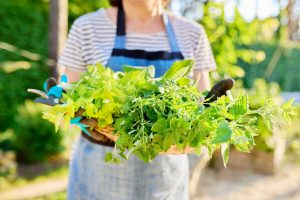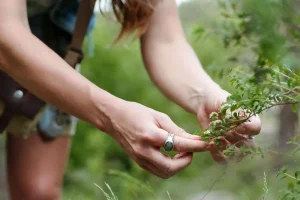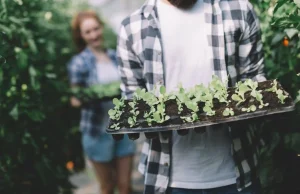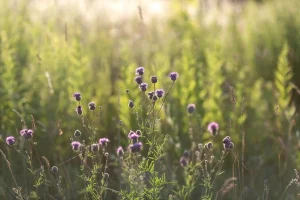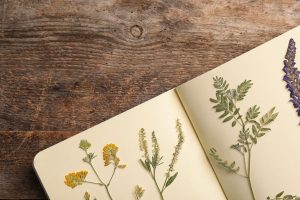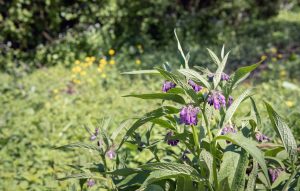
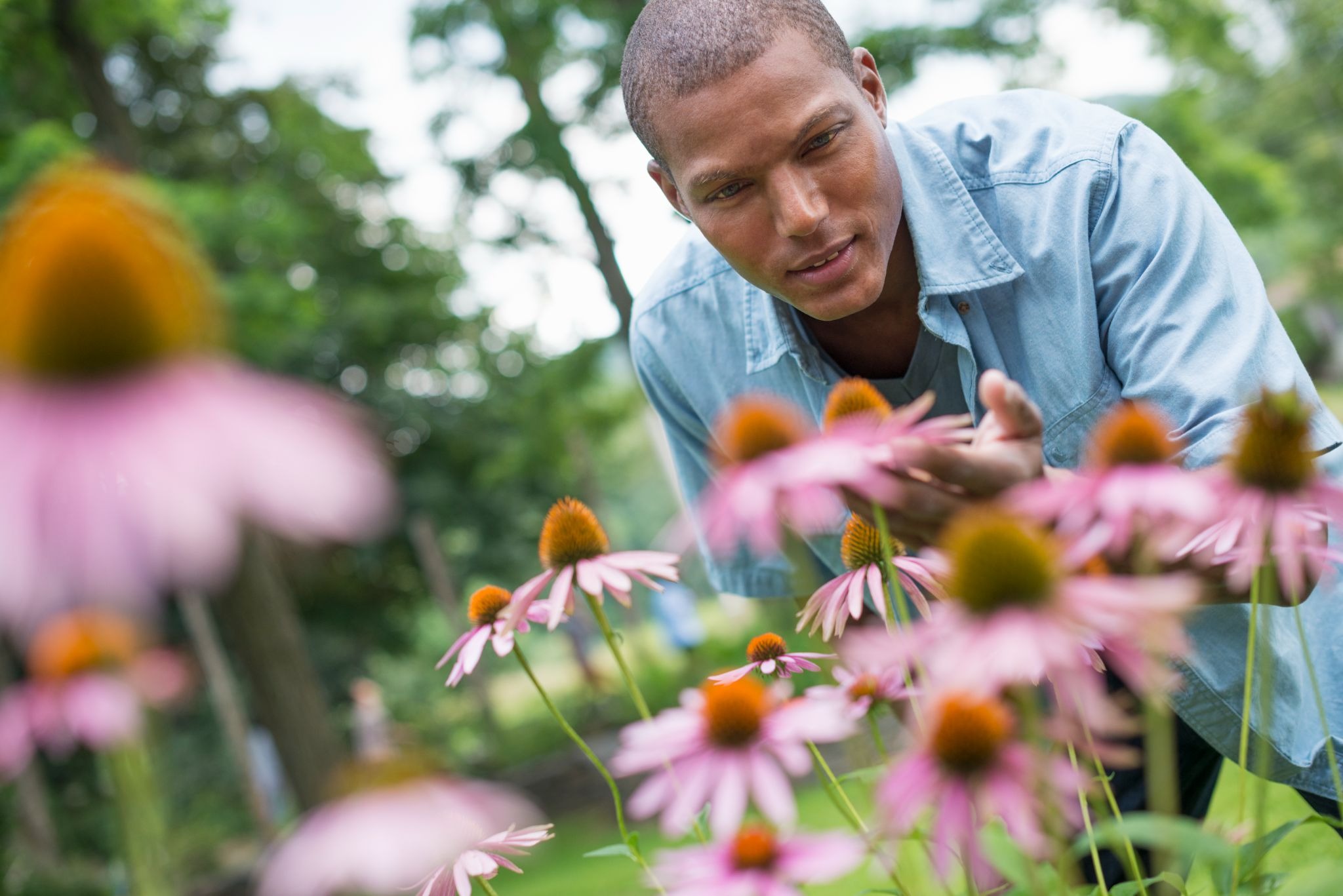
Creating a garden filled with native plants is one of the most effective ways to build a sustainable, low-maintenance, and ecologically friendly landscape. Native plants have evolved in your region’s climate, soil, and seasonal patterns. This makes them naturally resilient and well-suited to thrive with minimal intervention. Choosing the right species ensures your garden not only looks beautiful but also supports local wildlife, conserves water, and improves soil health. Thoughtful selection and planning are crucial for maximizing the benefits of native landscaping and creating a balanced, vibrant garden that lasts for years.
Understanding Your Local Environment
The first step in choosing native plants is understanding your garden’s specific conditions. Climate, soil type, and sunlight exposure play a significant role in determining which species will thrive. Local temperature ranges, rainfall patterns, and seasonal variations affect plant growth and flowering cycles. Assessing your garden’s microclimates—areas with slightly different sunlight, wind, or moisture—helps identify the best spots for different plants. Researching your region’s hardiness zones provides guidance on which species can survive and flourish year after year, reducing the risk of plant failure and minimizing ongoing maintenance.
Soil Conditions and Drainage
Soil is the foundation of any garden. Native plants can adapt to local soil, but understanding its texture and fertility can improve survival and growth. Determine if your soil is sandy, clay, or loam, and test for pH and nutrient levels. Drainage is equally important; most native species prefer well-draining soil to prevent root rot, though some thrive in wetter areas. Amending the soil slightly or adding mulch can help retain moisture and suppress weeds, providing a healthier environment for young plants.
Sunlight and Exposure
Sunlight requirements vary among native species. Some plants thrive in full sun, while others flourish in partial or full shade. Assess your garden to identify areas that receive morning, afternoon, or full-day sun. Microclimates created by walls, trees, or fences can influence how much sunlight reaches certain areas. Matching plants to the appropriate light conditions ensures stronger growth, better flowering, and healthier foliage.
Researching Native Plant Options
Once you understand your environment, the next step is researching which native species are appropriate for your garden. Local botanical gardens, native plant nurseries, and online databases are excellent resources for discovering plants suited to your region. Look for species that attract pollinators, support wildlife, and complement your garden’s visual style. Pay attention to growth habits, mature size, and seasonal characteristics to avoid overcrowding and to maintain a balanced landscape. Selecting a mix of flowering plants, grasses, and shrubs can provide year-round color, texture, and ecological value.
Flowering Plants, Grasses, and Shrubs
Incorporating a variety of plant types enhances the garden’s biodiversity and visual appeal. Flowering perennials can provide nectar for pollinators and bursts of seasonal color. Ornamental grasses add texture and movement, while native shrubs offer structure, shade, and shelter for birds and beneficial insects. Thoughtful combination ensures that your garden remains attractive and ecologically functional throughout the year.
Matching Plants to Your Garden Goals
Understanding your goals for the garden helps guide plant selection. Some gardeners prioritize low maintenance and water conservation, while others focus on attracting pollinators or creating visually stunning landscapes. Aligning plants with your objectives ensures the garden meets practical and aesthetic needs. For instance, drought-tolerant species are ideal for regions with limited rainfall, while taller shrubs can provide privacy or habitat for birds. Balancing goals and environmental conditions leads to a garden that thrives with minimal intervention while serving multiple purposes.
Creating Pollinator-Friendly Spaces
One of the most compelling reasons to choose native plants is their ability to support local pollinators. Select plants that produce nectar, pollen, and seeds attractive to bees, butterflies, hummingbirds, and other beneficial insects. Planting a variety of species that bloom at different times extends the foraging season and strengthens pollinator populations. Clustering flowers together improves accessibility and ensures pollinators spend more time visiting your garden, increasing ecological value.
Designing for Seasonal Interest
To maintain visual interest year-round, consider the bloom cycles and foliage of your chosen native plants. Early spring blooms provide fresh color after winter, summer flowers maintain vibrancy, and late-season grasses or shrubs add texture and structure. Planning seasonal diversity enhances your garden’s beauty and ensures that wildlife has continuous access to food and shelter throughout the year.
Planning for Growth and Sustainability
A thriving native garden requires planning for growth. Consider mature plant size and spacing to prevent overcrowding, which can hinder growth and increase competition for nutrients and sunlight. Avoid species that are prone to aggressive spreading unless you have the space to manage them responsibly. Preparing soil, adding mulch, and ensuring proper irrigation for young plants help them establish strong roots and grow resiliently. Designing the garden layout with long-term sustainability in mind ensures a balanced ecosystem and reduces the need for intensive management over time.
Maintaining Your Native Plant Garden
Maintenance for native plants is generally lower than for traditional ornamental gardens, but some care is still required. Watering during establishment, occasional pruning, and monitoring for pests or disease are essential for long-term success. Encourage natural regeneration by allowing some plants to self-seed and by minimizing soil disturbance. Incorporating organic mulch conserves moisture, suppresses weeds, and enhances soil health. Expanding your garden gradually, rather than attempting a large-scale overhaul, allows you to learn and adapt as plants mature and environmental conditions change.
Conclusion
Choosing native plants is a practical and rewarding approach to gardening that benefits both the gardener and the environment. By carefully assessing local conditions, researching suitable species, and aligning plants with your garden goals, you create a landscape that is resilient, visually appealing, and ecologically beneficial. Native gardens reduce maintenance, conserve water, attract pollinators, and enhance biodiversity, making them an excellent long-term investment for homeowners. Thoughtful planning and ongoing care ensure your garden remains a vibrant, sustainable space that supports both human enjoyment and local ecosystems. A well-chosen native plant garden reflects the natural beauty of your region while providing practical, environmental, and aesthetic advantages.