Growing food at home has become increasingly popular as people look for healthier lifestyles, fresher ingredients, and more control over what they eat. Home gardening also provides a practical way to reconnect with nature and understand how food is produced. Even a small space, such as a balcony, patio, or backyard, can support several edible plants that produce reliable harvests throughout the season. For beginners, however, the biggest challenge is often deciding what to grow first.
Many crops require precise soil conditions, long growing seasons, or consistent pest management. Starting with difficult plants can discourage new gardeners when growth slows or harvests fail. This is why experienced gardeners often recommend beginning with easy edible garden plants. These plants are naturally resilient, grow quickly, and tolerate minor mistakes such as irregular watering or inconsistent sunlight.
Choosing beginner-friendly crops helps new gardeners build confidence while learning essential gardening skills. With the right plants and a simple strategy, anyone can create a productive edible garden at home without complicated techniques or expensive equipment.
Why Beginner Gardeners Should Start With Easy Edible Plants
Gardening involves learning several interconnected skills. Soil quality, watering schedules, sunlight exposure, and plant spacing all influence how well crops grow. When beginners start with complex plants that require constant attention, they often struggle to manage these variables at once. The result can be slow growth, plant stress, or disappointing harvests.
Easy plants simplify the learning process. These crops usually grow quickly and adapt well to different environments, allowing beginners to focus on observing plant behavior rather than constantly correcting problems. Many of these plants also have short growing cycles, which means gardeners can see progress within weeks rather than months.
Another advantage is motivation. Early success plays an important role in building long-term gardening habits. When plants grow steadily and produce edible harvests, gardeners feel encouraged to keep improving their skills. Over time, this experience makes it easier to experiment with more demanding crops.
Starting with manageable plants also teaches important lessons about garden maintenance. Tasks such as watering consistently, harvesting correctly, and monitoring plant health become easier when the plants themselves are forgiving. This practical knowledge forms the foundation for a more advanced edible garden later.
Factors That Make Certain Edible Plants Easy to Grow
Not all edible plants are equally suited for beginners. Some varieties naturally grow faster, resist pests more effectively, and adapt well to different growing environments. These characteristics make them ideal for home gardeners who are still learning the basics.
One major factor is resilience. Easy plants tend to tolerate fluctuations in watering and temperature better than delicate crops. They continue growing even when conditions are not perfect, which reduces the risk of complete crop failure.
Growth speed is another important factor. Fast-growing plants allow gardeners to see results quickly, which helps them understand plant development and adjust care practices in real time. Short harvest cycles also make it possible to grow multiple crops within one season.
Plants That Thrive With Minimal Maintenance
Low-maintenance plants usually require only basic care such as regular watering and occasional harvesting. They are less sensitive to soil composition and often grow successfully in common garden soil or potting mixes. This reduces the need for specialized fertilizers or soil amendments during the early stages of gardening.
These plants also tend to recover quickly from minor mistakes. If watering is inconsistent or sunlight varies slightly, they can still produce healthy leaves or fruits. This resilience makes them ideal for people who are learning how to manage a garden while balancing other responsibilities.
Crops That Produce Harvests Quickly
Fast harvests are valuable for beginners because they provide immediate feedback about growing conditions. When plants mature quickly, gardeners can evaluate what worked well and what needs improvement during the same season.
Quick-growing crops also encourage consistent garden care. Seeing noticeable growth every few days motivates gardeners to check soil moisture, remove weeds, and harvest plants regularly. This routine helps build strong gardening habits over time.
Leafy Greens That Are Ideal for First-Time Gardeners
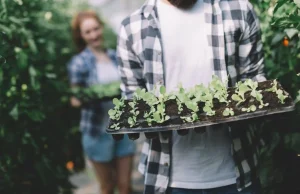
Leafy greens are often considered the easiest edible plants to grow. They require relatively little space, grow quickly, and tolerate cooler temperatures better than many other vegetables. Because their leaves are the main harvest, gardeners can collect small amounts repeatedly without damaging the plant.
Lettuce is one of the most beginner-friendly crops available. It grows quickly and thrives in containers, raised beds, or garden rows. Many varieties mature within a few weeks, allowing gardeners to enjoy multiple harvests during a single growing season. Spinach is another excellent option. It grows well in mild weather and produces nutrient-rich leaves that can be harvested gradually.
Arugula is particularly appealing for beginners because of its rapid growth and strong flavor. Seeds germinate quickly, and leaves are ready to harvest within a short period. These leafy greens also require minimal maintenance beyond consistent watering and moderate sunlight.
Herbs That Grow Easily in Small Spaces
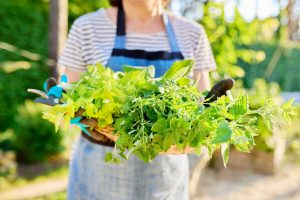
Herbs are among the most rewarding plants for beginner gardeners because they grow quickly and are frequently used in cooking. Many herbs require minimal space and can thrive indoors or outdoors as long as they receive adequate sunlight.
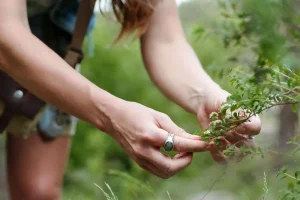
Basil is a popular starting herb because it grows rapidly during warm weather and responds well to regular harvesting. Cutting leaves encourages the plant to produce new growth, which increases overall productivity. Mint is another easy herb, although it grows aggressively and is often better suited for containers where its spread can be controlled.
Low-Maintenance Culinary Herbs
Low-maintenance herbs generally require only sunlight, moderate watering, and occasional trimming. Many of them naturally resist pests and grow well in standard potting soil. Regular harvesting actually benefits these plants by stimulating fresh growth and preventing them from becoming overgrown.
Herbs also provide an efficient use of garden space. A few plants can supply enough leaves for everyday cooking, which makes them particularly valuable for small gardens or apartment balconies.
Growing Herbs in Containers
Container gardening offers several advantages for herb cultivation. Pots allow gardeners to control soil quality, drainage, and sunlight exposure more easily than traditional garden beds. Containers can also be moved to adjust for seasonal light changes.
Choosing pots with proper drainage holes helps prevent waterlogging, which is one of the most common problems in herb gardens. Placing containers in sunny locations such as windowsills, balconies, or patios ensures that herbs receive the light they need for healthy growth.
Beginner-Friendly Vegetables That Produce Reliable Harvests
Several vegetables are well known for their ability to produce dependable harvests with minimal effort. These crops are widely recommended for new gardeners because they grow quickly and adapt well to different climates.
Radishes are one of the fastest-growing vegetables available. They mature in just a few weeks and require very little maintenance. This quick growth makes them ideal for learning how soil conditions and watering affect plant development.
Green beans are another excellent option. They grow vigorously and produce multiple harvests during the season. Zucchini is also known for its productivity. Once established, a single plant can produce a large number of fruits over several weeks.
Tomatoes are slightly more demanding but still considered beginner-friendly, especially compact or cherry varieties. With adequate sunlight and regular watering, they can thrive in containers or garden beds while producing steady harvests.
Easy Edible Plants That Grow Well in Containers
Container gardening allows people with limited space to grow food successfully. Many edible plants adapt well to pots because their root systems do not require large areas of soil.
Leafy greens, herbs, and compact vegetables such as cherry tomatoes or peppers perform particularly well in containers. The controlled environment helps gardeners manage soil moisture and nutrient levels more easily.
Containers also reduce certain pest problems because plants are elevated from the ground. This makes it easier to monitor plant health and respond quickly if issues appear.
Common Challenges When Growing Edible Plants at Home
Even easy plants can experience problems if growing conditions are poor. One of the most common mistakes beginners make is improper watering. Both overwatering and underwatering can stress plants and slow growth.
Sunlight is another important factor. Most edible plants require several hours of sunlight each day to produce healthy leaves and fruits. Gardens placed in heavily shaded areas may struggle to grow productive crops.
Tips for Successfully Growing Easy Edible Garden Plants
Starting with a small number of plants is often the best strategy for beginners. Managing a few crops allows gardeners to observe plant behavior closely and adjust care routines as needed. Over time, additional plants can be introduced as confidence grows.
Choosing the right location is also critical. Most edible plants prefer sunny areas with good air circulation. Consistent watering, especially during dry periods, helps maintain healthy plant growth.
Observation remains one of the most valuable gardening skills. Regularly checking plants for signs of stress, pests, or nutrient deficiencies allows problems to be addressed before they become serious. With patience and consistent care, easy edible garden plants can provide reliable harvests while helping beginners build the knowledge needed for more advanced gardening in the future.
Conclusion
Starting a home garden does not have to be complicated. By choosing easy edible garden plants, beginners can develop practical gardening skills while enjoying fresh ingredients from their own space. Leafy greens, herbs, and productive vegetables offer reliable harvests with minimal maintenance, making them ideal for first-time gardeners. With thoughtful plant selection, consistent care, and attention to growing conditions, even a small garden can become a productive and rewarding source of homegrown food