Understanding how wild plant types change across the seasons is essential for botanists, nature enthusiasts, foragers, and anyone interested in ecosystems. Seasonal variation influences not only how plants look, but also how they grow, reproduce, and interact with wildlife. From the fresh blooms of spring to the dormancy of winter, each season brings distinct transformations in wild vegetation.
This guide explores how wild plants vary by season, why these changes occur, and what they mean for biodiversity and ecological balance.
Introduction to Seasonal Plant Variation
Wild plants are deeply connected to their environment. Unlike cultivated crops, they rely entirely on natural cycles, sunlight, temperature, rainfall, and soil conditions. These environmental factors shift throughout the year, causing plants to adapt accordingly.
Seasonal variation affects:
Growth patterns
Flowering and fruiting cycles
Leaf structure and color
Dormancy and survival strategies
Each season represents a different phase in a plant’s life cycle.
Spring: The Season of Renewal
Spring is often considered the most active period for wild plants. After months of winter dormancy, plants begin to awaken as temperatures rise and daylight increases.
Key Characteristics of Spring Plants
Rapid growth and sprouting
Emergence of fresh green leaves
Flowering begins for many species
Increased photosynthesis activity
Common Types of Wild Plants in Spring
Ephemeral plants (e.g., wildflowers that bloom quickly before trees fully leaf out)
Grasses and young herbs
Early flowering shrubs
Why Spring Growth Happens
Plants respond to:
Longer daylight hours
Warmer soil temperatures
Increased moisture from melting snow or seasonal rain
Spring is crucial for reproduction, as many plants produce flowers to attract pollinators like bees and butterflies.
Summer: Peak Growth and Productivity
Summer represents the height of plant development. Most wild plants are fully grown and actively producing energy through photosynthesis.
Key Characteristics of Summer Plants
Dense foliage and full leaf expansion
Maximum photosynthetic activity
Fruit and seed production begins
Increased competition for sunlight and nutrients
Types of Wild Plants in Summer
Tall grasses and meadows
Flowering plants in full bloom
Fruit-bearing plants (berries, seeds, pods)
Environmental Influences
Summer conditions include:
High sunlight intensity
Warmer temperatures
Variable rainfall
Plants adapt by developing deeper roots or thicker leaves to conserve water.
Autumn: Transition and Preparation
Autumn is a transitional season where plants prepare for the colder months ahead. Growth slows down, and many species shift their energy toward survival.
Key Characteristics of Autumn Plants
Leaf color changes (green to yellow, orange, red)
Reduced photosynthesis
Seed dispersal
Nutrient storage in roots
Types of Wild Plants in Autumn
Deciduous plants shedding leaves
Late-blooming wildflowers
Seed-heavy grasses and herbs
Why Leaves Change Color
As daylight decreases, chlorophyll production slows. This reveals other pigments:
Carotenoids (yellow/orange)
Anthocyanins (red/purple)
This process helps plants conserve energy before winter.
Winter: Dormancy and Survival
Winter is the most challenging season for wild plants. Harsh conditions such as cold temperatures, frost, and limited sunlight force plants into dormancy.
Key Characteristics of Winter Plants
Minimal or no visible growth
Dormancy (temporary metabolic shutdown)
Leaf loss in deciduous plants
Survival structures (roots, bulbs, seeds)
Types of Wild Plants in Winter
Evergreen plants (retain leaves/needles)
Dormant perennials
Seed forms waiting for spring
Adaptation Strategies
Plants survive winter through:
Thick bark or waxy coatings
Underground storage systems (bulbs, rhizomes)
Reduced metabolic activity
Seasonal Life Cycles of Wild Plants
Different plants follow unique seasonal cycles depending on their species.
Annual Plants
Complete life cycle in one season
Germinate, grow, flower, and die within a year
Biennial Plants
Two-year cycle
First year: growth
Second year: flowering and seed production
Perennial Plants
Live for multiple years
Enter dormancy during unfavorable seasons
Understanding these cycles helps explain why certain plants appear only at specific times of the year.
Impact of Climate and Geography
Seasonal variation is not the same everywhere. Climate plays a major role in how plants behave.
Temperate Regions
Clear seasonal changes
Distinct plant cycles (spring bloom, winter dormancy)
Tropical Regions
Less temperature variation
Growth influenced more by wet and dry seasons
Arid Regions
Plants adapted to conserve water
Growth triggered by rare rainfall events
Geography determines how pronounced seasonal changes are in wild plants.
Role of Seasonal Changes in Ecosystems
Seasonal plant variation is essential for maintaining ecological balance.
Supports Wildlife
Spring flowers provide nectar
Summer plants offer shelter
Autumn seeds feed animals
Winter plants provide minimal but critical resources
Pollination Cycles
Different plants bloom at different times, ensuring a continuous food supply for pollinators.
Soil Health
Seasonal plant growth contributes to:
Organic matter
Nutrient cycling
Soil structure improvement
Wild Plant Adaptations Across Seasons
Wild plants have evolved fascinating adaptations to survive seasonal changes.
Structural Adaptations
Thick leaves to reduce water loss
Deep roots for nutrient access
Behavioral Adaptations
Timing of flowering based on daylight
Seed dormancy until favorable conditions
Chemical Adaptations
Production of antifreeze proteins in cold climates
Defensive compounds against herbivores
These adaptations ensure survival despite environmental stress.
Foraging and Seasonal Awareness
Foragers must understand seasonal variation to safely and effectively gather wild plants.
Spring Foraging
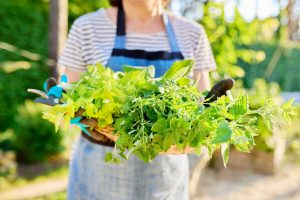
Tender greens and herbs
Edible flowers
Summer Foraging
Fruits, berries, and seeds
Autumn Foraging
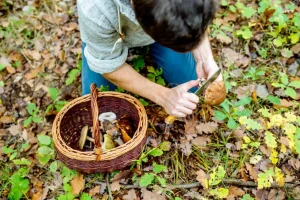
Nuts, roots, and late-season plants
Winter Foraging
Limited options (mostly stored or evergreen sources)
Seasonal knowledge ensures sustainability and safety in foraging practices.
Effects of Climate Change on Seasonal Plant Variation
Climate change is altering traditional plant cycles.
Observed Changes
Earlier flowering times
Extended growing seasons
Disrupted pollination patterns
Consequences
Mismatch between plants and pollinators
Reduced biodiversity
Increased vulnerability to pests
Understanding these shifts is crucial for conservation efforts.
Human Interaction with Seasonal Plant Cycles
Humans have long depended on seasonal plant patterns for agriculture, medicine, and culture.
Agriculture
Crop planting and harvesting cycles mimic natural patterns
Traditional Medicine
Many herbal remedies rely on seasonally harvested plants
Cultural Significance
Seasonal festivals often align with plant cycles (harvest festivals, spring celebrations)
Why Understanding Seasonal Variation Matters
Learning how wild plants vary by season offers several benefits:
Enhances ecological awareness
Supports conservation efforts
Improves foraging and gardening practices
Deepens appreciation for nature
It also helps scientists predict environmental changes and protect biodiversity.
FAQs
1. Why do some wild plants only appear in certain seasons?
Many wild plants follow specific life cycles triggered by environmental conditions like temperature, sunlight, and rainfall. Some plants, like spring ephemerals, grow and bloom quickly before trees fully leaf out. Others remain dormant until ideal conditions return. This seasonal timing helps them survive, reproduce efficiently, and avoid competition for resources.
2. How do wild plants survive extreme winter conditions?
Wild plants survive winter through dormancy and protective adaptations. Many store nutrients in roots, bulbs, or seeds underground, where temperatures are more stable. Others develop thick bark or waxy coatings to prevent damage. Evergreen plants retain needles to continue slow photosynthesis, while most plants pause growth until spring arrives.
3. Does climate change affect seasonal plant behavior?
Yes, climate change significantly impacts plant seasonal cycles. Warmer temperatures can cause earlier blooming and longer growing seasons, which may disrupt pollination timing. This mismatch affects insects and wildlife that depend on plants. Over time, these changes can reduce biodiversity and alter entire ecosystems, making seasonal patterns less predictable.
Conclusion
Wild plant types vary significantly by season, reflecting nature’s dynamic and adaptive systems. Spring brings growth and renewal, summer delivers peak productivity, autumn signals transition, and winter enforces rest and survival.
These seasonal shifts are not random, they are carefully tuned responses to environmental conditions. By understanding these patterns, we gain insight into ecosystems, improve our interaction with nature, and contribute to preserving the delicate balance of the natural world.