Nature is full of plants that grow freely without human planting or maintenance. These plants appear along roadsides, in forests, across open meadows, and even in small urban green spaces. Many people notice them while hiking, gardening, or simply walking outdoors. Yet few can confidently identify them.
Understanding common wild plant types can deepen your appreciation of local ecosystems. It also helps people recognize which plants are native, which support wildlife, and which may signal changes in environmental conditions. Learning about wild plants is not just for botanists. It is a practical skill for gardeners, outdoor enthusiasts, and anyone interested in nature.
In this guide, we explore the main categories of wild plants, how environmental conditions shape their growth, and practical ways to identify them safely and accurately.
Understanding What Makes a Plant “Wild”
A wild plant is one that grows naturally in a particular environment without intentional cultivation. Unlike garden plants or crops, wild plants spread through natural processes such as seed dispersal, wind, animals, or water.
These plants form the backbone of natural ecosystems. They stabilize soil, feed insects and animals, and contribute to biodiversity. Even small patches of wild vegetation can support complex ecological networks.
Wild plants also adapt closely to their surroundings. Over time they evolve characteristics that allow them to survive local climates, soil conditions, and seasonal patterns. This adaptation is one reason wild plants often thrive even in areas where cultivated plants struggle.
Native vs. Naturalized Plants
Not all wild plants originally evolved in the region where they grow today. Native plants developed naturally in a specific area over long periods. They tend to support local wildlife because insects and animals evolved alongside them.
Naturalized plants, on the other hand, arrived through human activity or global trade. Over time they adapted and began growing freely in the wild. Some naturalized plants coexist peacefully with native species, while others spread aggressively and disrupt ecosystems.
Understanding this difference helps people appreciate why conservation groups often encourage planting native species.
Where Wild Plants Usually Grow
Wild plants appear in many different environments. Meadows often host diverse flowering plants and grasses. Forest floors support shade-tolerant species. Wetlands contain plants adapted to saturated soil. Roadsides and disturbed land frequently attract fast-growing species that colonize open ground.
These habitats shape which common wild plant types you are most likely to encounter in your region.
Environmental Factors That Shape Wild Plant Growth
Wild plants respond directly to environmental conditions. Three factors influence plant distribution more than anything else: climate, soil, and sunlight.
Climate determines which species can survive seasonal changes. Regions with cold winters support plants that can tolerate frost or remain dormant until spring. Warmer climates encourage year-round vegetation or plants adapted to dry conditions.
Soil quality is equally important. Some plants thrive in sandy soil that drains quickly. Others prefer dense clay that retains moisture. Nutrient levels, acidity, and organic matter also affect which plants grow successfully.
Sunlight patterns shape plant communities as well. Plants growing in open fields often require full sunlight. Forest species evolve broad leaves or slower growth to survive in shaded environments.
Common Wild Flowering Plants
Wildflowers are often the most recognizable plants in natural landscapes. Their colorful blooms attract pollinators such as bees, butterflies, and birds.
In many regions, wildflower species appear in waves throughout the year. Early spring flowers take advantage of sunlight before tree leaves fully emerge. Summer species thrive in warm temperatures and long daylight hours.
Meadow and Field Wildflowers
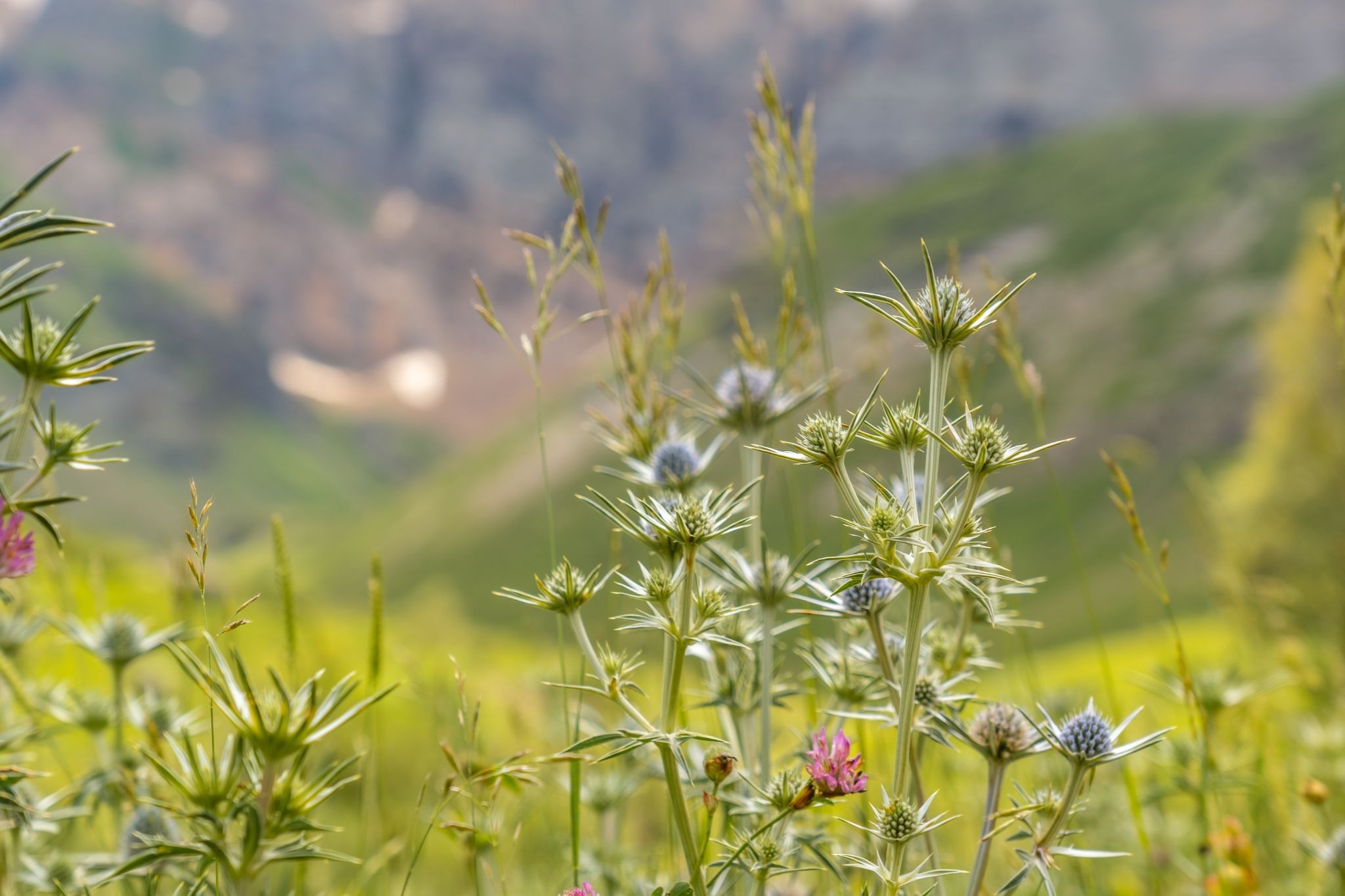
Open meadows and grasslands often contain a mixture of grasses and flowering plants. Daisies, buttercups, clovers, and asters frequently appear in these environments. Their bright flowers help attract pollinators, which are essential for reproduction.
Many meadow plants also grow quickly and produce large numbers of seeds. This strategy helps them compete successfully in open areas where space and sunlight are plentiful.
For nature observers, meadows provide some of the easiest opportunities to identify common wild plant types, because plants grow in clusters and display distinctive flowers.
Woodland Flowering Plants
Forest environments host a different set of wildflowers. These plants typically bloom early in spring before the tree canopy blocks sunlight. Species such as trilliums, violets, and woodland anemones thrive in shaded soils rich in organic matter.
Woodland flowers often rely on specialized pollinators or seed dispersal strategies. Some attract ants to carry seeds away from the parent plant. Others depend on insects adapted to shaded environments.
Observing these plants requires patience and careful attention, since many woodland species bloom for only a short period each year.
Wild Grasses and Ground Cover Plants
While flowering plants receive much of the attention, grasses and ground cover plants dominate many natural landscapes. They form the foundation of plant communities and help protect soil from erosion.
Grasses grow quickly and spread through extensive root systems. This allows them to survive grazing, wind, and seasonal changes.
Tall Native Grasses
Tall grasses are common in open landscapes such as prairies or rural fields. These plants can reach impressive heights and create habitat for insects, birds, and small animals.
Their deep roots help stabilize soil and store carbon underground. This ecological function makes grasslands extremely valuable for environmental health.
Low-Growing Ground Plants
Closer to the ground, small plants cover soil surfaces and prevent moisture loss. Mosses, creeping herbs, and low-growing flowering plants fall into this category.
These plants may seem insignificant, but they play a critical role in protecting ecosystems. By covering exposed soil, they reduce erosion and help maintain stable microclimates for insects and microorganisms.
Together, grasses and ground cover plants represent some of the most widespread common wild plant types across many regions.
Shrubs and Small Wild Bushes
Shrubs form the middle layer of many ecosystems. They are taller than ground plants but shorter than trees. Their branching structure creates shelter for birds and small animals.
Shrubs often produce flowers, berries, or seeds that serve as important food sources for wildlife.
Berry-Producing Shrubs
Many wild shrubs produce berries that attract birds and mammals. Examples include wild currants, elderberries, and blackberries in certain regions.
These plants play an important ecological role. Animals eat the fruit and spread seeds across large distances, helping shrubs colonize new areas.
Thorny and Protective Shrubs
Some shrubs develop thorns or dense branching patterns as protection from herbivores. These defensive structures also create safe nesting sites for birds.
From a plant identification perspective, shrubs can sometimes be challenging because leaf shapes and growth patterns vary widely. Careful observation of stems, bark, and seasonal fruit can help identify them correctly.
Wild Trees Found in Natural Landscapes
Trees represent the largest and longest-living members of wild plant communities. They shape entire ecosystems by providing shade, stabilizing soil, and regulating water cycles.
Two major groups dominate most landscapes: deciduous trees and evergreen trees.
Deciduous trees lose their leaves during colder seasons. This adaptation allows them to conserve water and survive winter conditions. Evergreen trees keep their needles year-round and are often better suited to colder or nutrient-poor soils.
Trees also influence which smaller plants grow beneath them. Their shade patterns, falling leaves, and root systems create unique environments where certain common wild plant types thrive.
For example, oak forests support different understory plants than pine forests. Understanding these relationships can make plant identification easier when exploring nature.
How to Identify Wild Plants Safely
Learning to identify wild plants requires careful observation and a structured approach. Beginners often feel overwhelmed by the variety of species in a single environment.
Start by observing basic characteristics such as leaf shape, plant height, stem structure, and flower color. These features provide important clues about plant families.
Using Field Guides and Plant Apps
Modern technology makes plant identification easier than ever. Field guides provide detailed descriptions and photographs for comparison. Smartphone apps can analyze plant images and suggest possible species.
However, these tools work best when combined with careful observation. Lighting, seasonal changes, and plant growth stages can sometimes confuse automated identification systems.
Safety Tips When Observing Wild Plants
Not every wild plant is safe to touch or handle. Some species cause skin irritation, while others may be toxic if ingested.
When exploring unfamiliar environments, avoid touching plants unless you are confident in their identification. Observing from a distance is often the safest approach.
Respecting natural habitats is also important. Avoid picking plants unnecessarily or disturbing protected areas. Sustainable observation ensures wild plant populations remain healthy for future generations.
Ecological Importance of Wild Plants
Wild plants support nearly every aspect of ecosystem health. They provide food for pollinators, shelter for wildlife, and structure for entire landscapes.
Bees, butterflies, and birds depend on wild flowers for nectar and pollen. Small mammals rely on seeds and berries. Even microorganisms in the soil depend on plant roots and decaying leaves.
Wild plants also contribute to climate resilience. Their root systems prevent soil erosion, absorb rainwater, and reduce the risk of flooding.
For conservationists, protecting native plant diversity is a key strategy for preserving ecosystems. Even small patches of wild vegetation can help maintain biodiversity in urban environments.
Conclusion
Wild plants form the quiet foundation of natural ecosystems. They grow in forests, fields, wetlands, and even small urban spaces, often without drawing much attention. Yet these plants support wildlife, stabilize soil, and contribute to environmental balance.
Learning to recognize common wild plant types can transform the way people experience nature. What once looked like random greenery becomes a diverse community of species, each playing a role in the ecosystem.