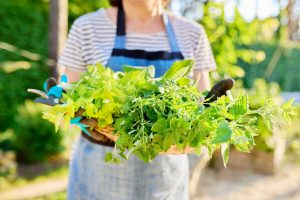
Fresh herbs from your garden can completely transform meals, bringing flavor, aroma, and color that dried or store-bought options often cannot match. Incorporating them into daily cooking not only enhances taste but also provides nutritional benefits and a sense of connection to your food. Whether you have a few pots on a windowsill or a full backyard garden, understanding how to use herbs effectively makes a big difference in everyday meals.
Herbs are versatile. They can be incorporated into breakfast, lunch, dinner, snacks, and even beverages. However, using them properly requires understanding their flavor profiles, ideal cooking methods, and storage techniques. With some strategic planning, cooking with fresh garden herbs can elevate your home cuisine with minimal effort.
Understanding the Flavor Profiles of Common Garden Herbs
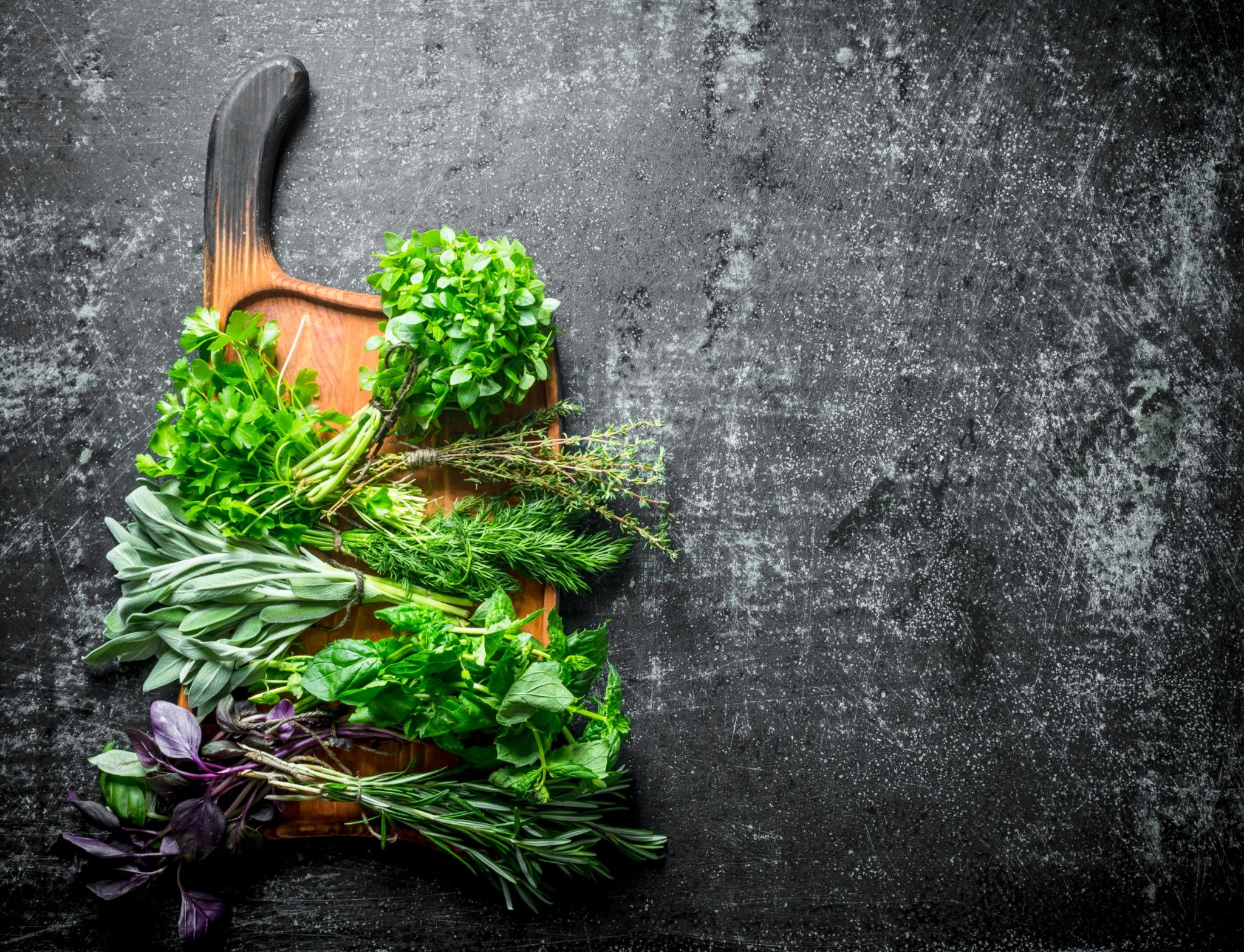
The first step in using herbs effectively is understanding their flavor profiles. Different herbs have distinct tastes and aromas that pair better with certain foods. Basil offers a sweet, slightly peppery note ideal for Italian dishes, while rosemary and thyme are robust and earthy, complementing roasted meats and root vegetables. Mint and lemon balm provide bright, refreshing flavors for teas and desserts, while parsley and cilantro add fresh, green notes to a wide variety of dishes.
Mild vs. Strong Herbs
Balancing mild and strong herbs is key to achieving a harmonious flavor. Delicate herbs like parsley, chives, and tarragon can be overwhelmed by more assertive herbs such as rosemary or sage. Use mild herbs to provide subtle freshness, often at the end of cooking, while stronger herbs can be added early to infuse deeper flavor. Understanding these dynamics allows for better layering of tastes in recipes and prevents herbs from overpowering the dish.
Sweet and Citrus Notes
Some herbs carry sweet or citrusy notes that can brighten dishes. Mint, lemon balm, and tarragon are excellent examples. They work well in beverages, dressings, and light desserts. Pairing them with complementary ingredients, like citrus fruits, honey, or light cheeses, enhances the natural flavor while maintaining balance in your cooking.
Cooking Techniques That Highlight Fresh Herbs
How and when you add herbs impacts the flavor they impart. Timing is critical. Herbs added early in cooking release their essential oils slowly, infusing the dish, while those added at the end retain aroma, color, and a fresh, vibrant taste. Understanding this distinction allows you to use herbs strategically to enhance every meal.
Quick Uses: Garnishing and Finishing Touches
One of the simplest ways to use fresh herbs is as a garnish or finishing touch. Sprinkle chopped parsley over soups, fresh basil on pasta, or cilantro over tacos. Adding herbs at the end of cooking preserves their aromatic qualities and bright color, giving dishes a visually appealing and flavorful boost without extra effort.
Infusing and Blending Flavors
Herbs can also be blended into sauces, marinades, dressings, and oils. Using a mortar and pestle, blender, or food processor helps release essential oils and enhances flavor extraction. For example, a simple herb-infused oil with rosemary or thyme can elevate roasted vegetables, while a basil-pistachio pesto brings richness and depth to pasta dishes. Infusion techniques allow for versatile use and preserve herb integrity over longer cooking processes.
Fresh Herbs in Everyday Meals
Incorporating fresh herbs into daily meals doesn’t have to be complicated. Breakfast, lunch, dinner, and snacks all benefit from a touch of fresh greenery. For breakfast, consider adding chives or parsley to omelets, smoothies, or spreads. Lunch can be brightened with herbs in salads, sandwiches, or soups. Dinner dishes, from roasted meats to stir-fries and pasta, gain depth and freshness when herbs are added strategically. Even snacks can be enhanced with herb-infused dips, spreads, or teas, turning simple bites into flavorful experiences.
Preserving and Storing Herbs for Continuous Use
Maintaining a steady supply of fresh herbs ensures you can use them in everyday cooking without interruption. Refrigeration is suitable for tender herbs like parsley, cilantro, and basil. Wrap them in damp paper towels and store in airtight containers to extend freshness. Freezing is ideal for more perishable herbs; chopping and storing them in ice cube trays with olive oil or water preserves flavor and convenience. Drying works best for woody herbs like rosemary, thyme, and oregano, which retain strong flavor even when dried. Choosing the right storage method ensures herbs remain potent and accessible, reducing waste and allowing consistent use in recipes.
Creative Pairings and Recipe Ideas
Experimentation is one of the most rewarding aspects of using fresh herbs. Combining multiple herbs can create complex flavors and reduce the need for excessive salt or fat. For instance, parsley, tarragon, and chives can enhance a creamy potato salad, while basil, thyme, and rosemary add depth to roasted vegetables. Pairing herbs with seasonal produce ensures flavor harmony and variety. Understanding complementary pairings allows you to build layers of taste, making every dish more vibrant and memorable.
Conclusion
Using fresh herbs from your garden in everyday cooking offers unmatched flavor, aroma, and freshness. By understanding herb flavor profiles, timing additions during cooking, and storing them properly, you can maximize their potential in every meal. Beginner-friendly herbs like basil, parsley, and mint provide quick wins, while aromatic perennials like rosemary, thyme, and oregano allow for long-term culinary benefits. Combining creativity with strategic use ensures that fresh garden herb cooking becomes an effortless part of your daily routine. Even a small herb garden can transform everyday dishes into flavorful, aromatic experiences, adding depth and nutrition to your meals while encouraging a closer connection to the food you prepare.
FAQs
1. Which herbs are easiest to use for everyday cooking?
Basil, parsley, mint, thyme, and rosemary are versatile, easy to grow, and work in a wide range of recipes from sauces to teas.
2. How should I add fresh herbs to maximize flavor?
Add robust herbs early in cooking to infuse flavor and delicate herbs at the end to preserve aroma, color, and freshness.
3. Can I use fresh herbs in drinks and desserts?
Yes, mint, lemon balm, and tarragon are excellent for teas, cocktails, infused water, and light desserts, offering bright, aromatic notes.
4. What is the best way to store herbs for daily use?
Tender herbs: refrigerate in damp paper towels. Woody herbs: dry or freeze. Ice cube trays with herbs and oil also preserve freshness.
5. How do I combine multiple herbs in cooking without overpowering dishes?
Balance mild herbs with stronger ones, considering flavor profiles. Start with small amounts and adjust to taste, layering flavors gradually for depth.